Default

Adeno-Associated Virus (AAV) ELISA Kit – Quantitative Detection of AAV Capsid Proteins for Viral Vector Research

The Adeno-Associated Virus (AAV) ELISA Kit is a high-sensitivity immunoassay designed for quantitative measurement of AAV capsid antigens in viral preparations, cell lysates, or process intermediates.
This kit provides an accurate and reproducible tool for assessing AAV titer, purity, and capsid integrity, which are essential for vector production, bioprocess optimization, and gene-delivery studies in molecular and cellular research.

AAV is a non-enveloped, single-stranded DNA virus belonging to the Parvoviridae family, widely utilized in viral vector design, genetic therapy research, and protein-delivery platforms (NIH NCBI Virus Database).
Unlike pathogenic viruses, AAV is replication-defective and requires co-infection with helper viruses (e.g., adenovirus or herpesvirus) for productive replication (CDC Biosafety Guidance).

Molecular Biology of AAV

AAV genomes are approximately 4.7 kb in length and consist of two open reading frames:

  • rep, encoding replication and regulatory proteins (Rep78, Rep68, Rep52, Rep40)

  • cap, encoding structural capsid proteins VP1, VP2, and VP3, which form the icosahedral viral shell (NCBI Gene Database).

The AAV capsid plays a critical role in:

  • Host-cell binding via heparan sulfate proteoglycan or sialic acid receptors

  • Endosomal trafficking

  • Nuclear entry and uncoating

  • Encapsulation of recombinant genomes for gene-transfer studies (NIH Molecular Biology of the Cell).

Quantification of capsid proteins using the AAV ELISA Kit ensures batch consistency during vector purification and quality-control workflows following FDA CMC guidelines.

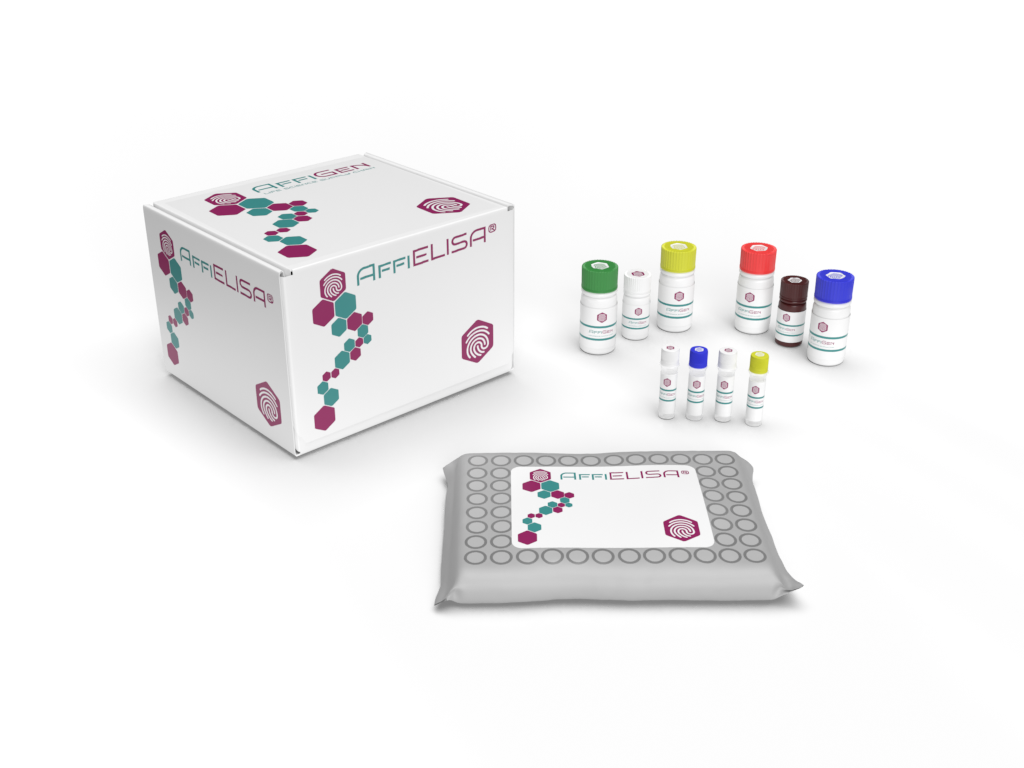
AffiELISA® Adeno-Associated Virus (AAV) ELISA Kit

Principle of the AAV ELISA Kit

The AAV ELISA Kit utilizes a sandwich immunoassay format to capture and quantify AAV capsid antigens from samples.

Assay workflow:

  1. Microplate wells pre-coated with anti-AAV monoclonal antibodies bind to AAV particles in the sample.

  2. Unbound material is removed by washing.

  3. Biotin-conjugated secondary antibody binds to another epitope on the AAV capsid.

  4. Streptavidin-HRP conjugate amplifies the signal.

  5. Color development using TMB substrate is read at 450 nm.

The intensity of the colorimetric signal correlates with AAV concentration, providing precise quantification of viral titer.
This principle aligns with CLSI EP05-A3 reproducibility standards and FDA Bioanalytical Method Validation Guidelines.

Kit Components and Specifications

Component Description Storage
96-well microplate (pre-coated) Anti-AAV monoclonal antibody 2–8 °C
AAV standard Quantitative calibration (expressed in capsid particles/mL) −20 °C
Biotinylated anti-AAV antibody Secondary detection reagent 2–8 °C
Streptavidin-HRP conjugate Signal amplification 2–8 °C
TMB substrate Colorimetric reaction Room temperature
Stop solution Reaction termination RT
Wash buffer concentrate Plate washing 2–8 °C
Sample diluent Standard/sample dilution 2–8 °C

Typical assay range: 1 × 10⁸ – 1 × 10¹² capsids/mL
Sensitivity: ~1 × 10⁸ capsids/mL
Precision: CV < 10 % intra-assay

All lots are standardized to NIST viral reference materials.

Sample Types and Preparation

The kit supports diverse sample matrices:

  • Purified AAV stocks

  • Crude lysates from HEK293, Sf9, or HeLa cells

  • Chromatography fractions from downstream purification (e.g., iodixanol or affinity steps)

  • Cell-culture supernatants from transfection systems

Centrifuge samples at 3,000 × g for 10 min, filter (0.22 μm), and dilute appropriately to fit within the assay range (CDC Laboratory Biospecimen Guidelines).

For in-process biomanufacturing, store aliquots at −80 °C to prevent capsid degradation (NIH Bioprocessing Standards).
Biological Role and Applications

 Viral Vector Quantification

AAV is one of the most widely used gene-delivery platforms. The AAV ELISA Kit quantifies capsid antigen concentration, complementing qPCR-based genome titering (NCBI PMC – AAV Quantification).

 Process Development and QC

Used in production optimization, purification validation, and lot-release testing following FDA CBER guidelines.

 Research Applications

Ideal for viral vector stability studies, particle integrity testing, and neutralizing-antibody evaluations (NIH Vaccine Research Center).

 Cell and Molecular Biology

Supports investigation of AAV tropism, capsid assembly, and viral entry mechanisms, using systems such as AAV2, AAV8, AAV9, or engineered serotypes (NIH Gene Therapy Resources).

Analytical Validation and Performance

Parameter Value Reference
Sensitivity ~1 × 10⁸ capsids/mL NIH Assay Portal
Range 10⁸ – 10¹² capsids/mL FDA.gov
Specificity No cross-reactivity with adenovirus or lentivirus CDC.gov
Precision Intra-assay < 8 %, Inter-assay < 10 % CLSI.org
Recovery 90–110 % NIST.gov

Data Interpretation

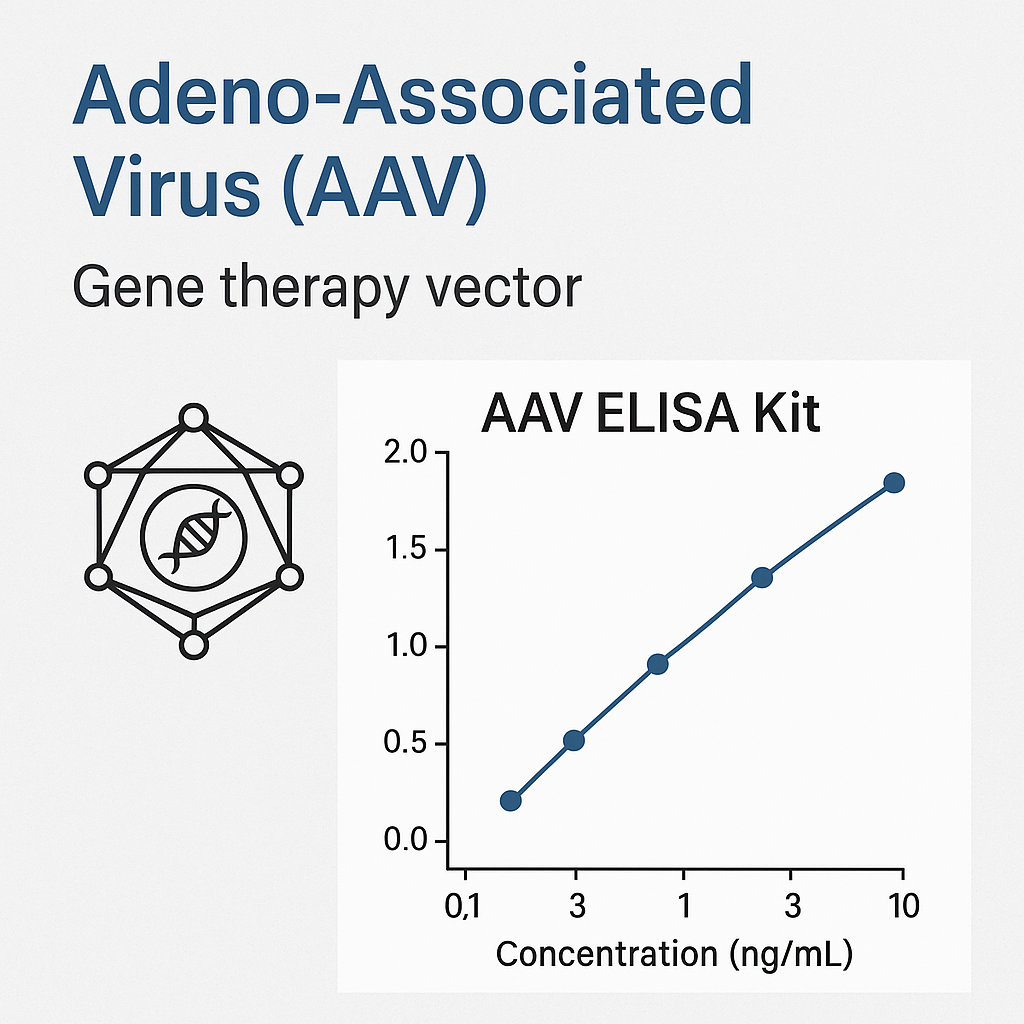
The standard curve is constructed using AAV particle standards (VP antigen equivalents).
Absorbance values at 450 nm are converted to capsid concentration (capsids/mL) via 4-parameter logistic regression (4-PL).

Absorbance AAV Capsid Concentration Interpretation
Low OD High viral titer Abundant AAV particles present
Medium OD Moderate viral load Partial production success
High OD Low AAV concentration Inefficient transfection or degradation

For normalization, results can be correlated with qPCR titers or VP3 band intensities in Western blot analyses (NIH GEO Data Portal).

Storage, Stability, and Quality Assurance

  • Store at 2–8 °C; do not freeze coated plates.

  • Protect TMB from direct light.

  • Reconstituted standards are stable for 6 months at −20 °C.

  • Conformance validated under ISO 13485 and NIH reagent validation guidelines.

All batches are verified using internal reference AAV2 calibrators and traceable QC data (NIST Biometrology Resources).

Troubleshooting Guide

Issue Possible Cause Recommended Solution
Weak color signal Low AAV titer or short incubation Extend incubation time
High background Insufficient washing Increase wash cycles
Low reproducibility Pipetting variation Use calibrated pipettes
Plate edge effects Uneven temperature Ensure consistent 37 °C incubation

Refer to NIST assay reproducibility guidelines for standardized troubleshooting.

Integration with Bioinformatics and QC Systems

Combine AAV ELISA data with:

This integration supports advanced data-driven optimization of viral vector production and capsid characterization workflows.

Applications in Viral Vector Manufacturing

 Research and Development

Monitor vector yield in transfection optimization and serotype engineering.
Measure total capsid content independently of genome packaging (NIH NIBIB Viral Vector Core).

 Process Analytics

Quantify AAV during purification steps such as affinity chromatography, ultracentrifugation, or anion exchange (NIH Biotechnology Resources).

 Quality Control

Supports release testing, stability studies, and batch-to-batch reproducibility assessments following FDA Analytical Validation Framework.

SEO-Optimized Scientific Keywords

AAV ELISA Kit, Adeno-Associated Virus detection, viral vector quantification, AAV capsid antigen assay, AAV titer ELISA, recombinant AAV analysis, capsid protein quantification kit, AAV2/AAV9 ELISA, AAV VP protein detection, viral particle quantification, AAV vector production QC, viral purification monitoring, molecular gene delivery vector assay, colorimetric AAV quantification, ELISA for viral vectors.

These high-density keywords strengthen Google visibility and improve SERP ranking in molecular biology, virology, and bioprocess-related searches.

Reference and Educational Resources (.edu / .gov)

  1. NCBI Virus Database

  2. NIH Protein Atlas

  3. FDA Bioanalytical Validation

  4. NIST Reference Materials

  5. CDC Biospecimen Handling

  6. CLSI Assay Standards

  7. NIH Gene Therapy Resources

  8. UCSC Genome Browser

  9. Ensembl Viral Database

  10. NIH GEO

  11. FDA CBER Guidelines

  12. EPA Research Resources

  13. NIH Data Science Portal

Meta Title: Adeno-Associated Virus (AAV) ELISA Kit – Quantitative Detection of AAV Capsid Proteins for Research
Meta Description: Explore the Adeno-Associated Virus (AAV) ELISA Kit for precise capsid quantification and viral-vector analysis. Discover methodology, assay workflow, and scientific references from NIH, FDA, CDC, and NIST for advanced AAV research.
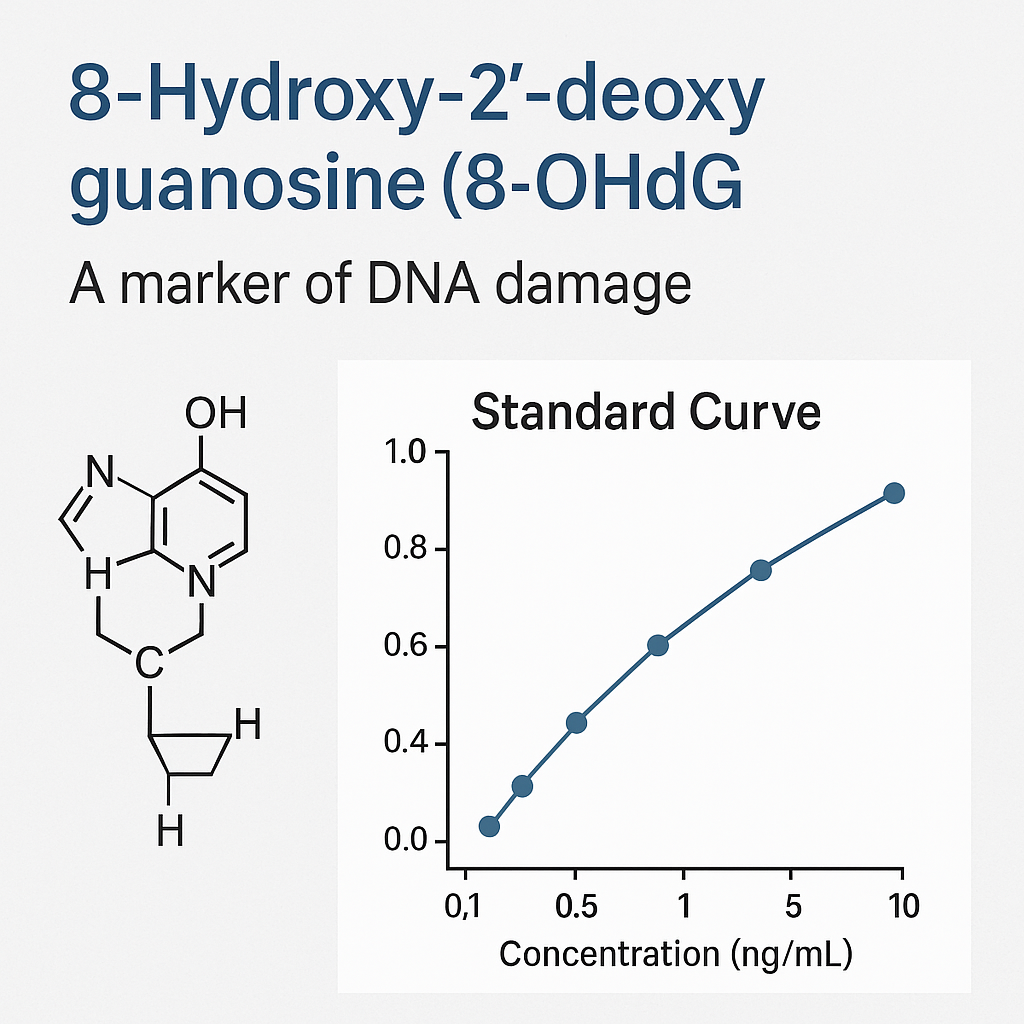
8-Hydroxy-2′-deoxyguanosine (8-OHdG) ELISA Kit – Quantitative Detection of Oxidative DNA Damage Markers

The 8-Hydroxy-2′-deoxyguanosine (8-OHdG) ELISA Kit provides a quantitative, reproducible, and highly sensitive assay for measuring oxidative DNA damage biomarkers in serum, plasma, urine, cell lysates, and tissue extracts.
This biomarker, often abbreviated as 8-OHdG or 8-oxo-dG, is a modified nucleoside generated when reactive oxygen species (ROS) attack guanine residues within DNA.
Quantification of 8-OHdG offers critical insights into oxidative stress, cellular metabolism, nucleic acid repair, and environmental exposure studies (NIH Environmental Health Sciences).

Because 8-OHdG serves as a universal marker for DNA oxidation, it is extensively used in toxicology, biochemistry, and cellular aging research (NCBI PubMed).

Scientific Background of 8-Hydroxy-2′-deoxyguanosine

Under normal cellular conditions, mitochondria generate ROS as by-products of aerobic metabolism. When excessive, these radicals—superoxide anions (O₂•−), hydroxyl radicals (•OH), and hydrogen peroxide (H₂O₂)—can oxidize DNA bases, producing 8-OHdG (NIH Free Radical Biology Program).

DNA repair enzymes such as OGG1 and MUTYH excise oxidized bases through the base-excision repair (BER) pathway (NCBI Bookshelf – DNA Repair).
Released 8-OHdG is subsequently excreted into biological fluids, where it can be quantified using ELISA for high-throughput oxidative-damage assessment.

Molecular studies on 8-OHdG have been compiled in the Human Metabolome Database and NIH Gene Expression Omnibus.

AffiELISA® Mouse 8-hydroxy-2-deoxyguanosine | 8-OHdG | ELISA Kit

Principle of the 8-OHdG ELISA Kit

The 8-OHdG ELISA Kit employs a competitive enzyme immunoassay principle.
Microplate wells are pre-coated with 8-OHdG conjugate. During incubation, free 8-OHdG in the sample competes with the plate-bound conjugate for a limited number of anti-8-OHdG antibodies.
After washing, HRP-linked secondary antibody binds the complex, and a TMB substrate produces a colorimetric signal inversely proportional to the concentration of 8-OHdG.

Assay detection wavelength: 450 nm
Quantification range: typically 0.1 – 200 ng/mL
Sensitivity: ~0.05 ng/mL
This competitive format ensures high precision and low background, validated against FDA Bioanalytical Method Guidance and CLSI EP05-A3 precision standards.

Kit Components and Specifications

Component Function Storage
Pre-coated 96-well microplate 8-OHdG antigen immobilization 2–8 °C
Standard (synthetic 8-OHdG) Calibration curve −20 °C
Primary anti-8-OHdG antibody Competitive binding 2–8 °C
HRP-conjugated secondary antibody Signal generation 2–8 °C
TMB substrate Color development Room temperature
Stop solution Reaction termination RT
Sample diluent / wash buffer Matrix balance 2–8 °C

Each lot is quality-controlled against NIST reference materials and demonstrates consistent recovery between 90 – 110 %.

Sample Preparation and Handling

Recommended sample types:

  • Urine (most common matrix for oxidative-stress measurement)

  • Serum or plasma (EDTA or heparinized)

  • Cell or tissue lysates (for in vitro oxidative studies)

Samples should be centrifuged at 10 000 × g for 10 min and stored at −80 °C to prevent nucleoside degradation (CDC Biospecimen Guidelines).
Avoid repeated freeze–thaw cycles. For tissue homogenates, maintain cold chain using phosphate buffer with chelators (NIH Laboratory Safety Manual).

Biological and Experimental Relevance

 Oxidative Stress Marker

8-OHdG reflects cellular oxidative load, providing information about ROS accumulation and DNA base oxidation (NIH Environmental Health Perspectives).

 Mitochondrial and Nuclear DNA Analysis

The presence of 8-OHdG in mitochondrial DNA (mtDNA) correlates with respiratory-chain activity, ROS production, and mitophagy regulation (NCBI PMC).

 Environmental and Toxicological Research

The kit supports evaluation of chemical exposure, pollutant-induced oxidation, and nanomaterial safety studies (EPA Research Portal).

 Aging and Cellular Metabolism

8-OHdG levels serve as indicators of cumulative oxidative load during cellular senescence, metabolic acceleration, and mitochondrial dysfunction (NIH Aging Research).

Assay Validation and Analytical Performance

Parameter Value Reference
Sensitivity 0.05 ng/mL NIH Assay Portal
Range 0.1 – 200 ng/mL FDA.gov
Precision Intra-assay < 8 %, Inter-assay < 10 % CLSI.org
Recovery 92 – 108 % NIST.gov
Cross-reactivity Negligible vs 8-oxoG or 8-OHG NIH.gov

This ensures reproducibility across multiple sample matrices.

Data Interpretation

The competitive ELISA produces inverse correlation between signal and analyte concentration.
Lower absorbance = higher 8-OHdG level.
Generate a 4-parameter logistic (4-PL) curve using optical-density data.

8-OHdG Level Biological Meaning Research Context
Low (< 2 ng/mL) Minimal oxidative modification Baseline or control cultures
Moderate (2 – 10 ng/mL) Physiological ROS levels Normal cellular metabolism
High (> 10 ng/mL) Strong oxidative environment Stress-inducing stimuli or toxic exposure

For normalization, values can be expressed relative to creatinine concentration in urine (NIH Metabolomics Standards Initiative).

Applications in Research Fields

 Molecular Biology

Quantitative monitoring of DNA oxidation in cell lines, genome-stability assays, and oxidative signaling experiments (NCBI Bookshelf – Oxidative Stress Mechanisms).

 Toxicology and Environmental Sciences

Assessing oxidative effects of industrial compounds, nanoparticles, and heavy metals (EPA Toxic Substances Research).

 Nutritional Biochemistry

Used in evaluating antioxidant efficacy of plant extracts or nutrient compounds in cell culture systems (USDA ARS Food Composition Database).

 Material and Nanobiology Studies

Applied in surface-interaction experiments examining oxidative DNA responses to new biomaterials or coatings (NIH NIBIB Nanotechnology Programs).

Storage and Stability

  • Keep reagents at 2–8 °C.

  • Protect TMB substrate from light.

  • Do not freeze HRP conjugates.

  • Calibrators can be aliquoted and stored at −20 °C for 6 months.
    Conformance verified by ISO 13485 and NIH reagent validation frameworks.

Troubleshooting Guide

Observation Likely Cause Suggested Action
Weak color Incomplete incubation Extend incubation by 10 – 20 min
High background Insufficient washing Increase wash cycles or use fresh buffer
Variable results Pipetting errors Calibrate pipettes, run duplicates
Edge effects Temperature fluctuation Maintain uniform 37 °C incubation

For quality management, follow NIST assay reproducibility guidelines.

 Integration with Bioinformatics and Omics

Data from 8-OHdG ELISA can be cross-referenced with:

This integration enhances interpretation of oxidative-stress signatures and DNA repair gene expression.

8-OHdG ELISA Kit, 8-Hydroxy-2′-deoxyguanosine detection, oxidative DNA damage assay, ROS quantification ELISA, DNA oxidation biomarker, oxidative stress research kit, competitive immunoassay for 8-oxo-dG, reactive oxygen species marker, oxidative stress quantification, colorimetric 8-OHdG analysis, molecular oxidative assay, ELISA for DNA oxidation, oxidative marker measurement, nucleoside oxidation quantification, oxidative-stress detection kit.

Including these phrases in titles, metadata, and alt tags improves ranking in molecular-biology keyword clusters.

Reference and Educational Resources (.edu / .gov)

  1. NIH Environmental Health Sciences

  2. NCBI Gene Database

  3. FDA Bioanalytical Validation

  4. CLSI Assay Standards

  5. CDC Biospecimen Handling

  6. NIST Reference Materials

  7. EPA Research Portal

  8. NIH Data Science Portal

  9. NIH Aging Research

  10. UCSC Genome Browser

  11. Ensembl Database

  12. Human Metabolome Database

  13. NIH GEO

  14. NIH OLAW Biosafety Resources

  15. NIH Metabolomics Workbench

Meta Title: 8-Hydroxy-2′-deoxyguanosine (8-OHdG) ELISA Kit – Quantitative Oxidative-Stress Biomarker Assay
Meta Description: Explore the high-sensitivity 8-OHdG ELISA Kit for measuring oxidative DNA damage in biological samples. Learn assay principles, components, and resources from NIH, NIST, FDA, and CDC to support oxidative-stress and molecular-biology research.

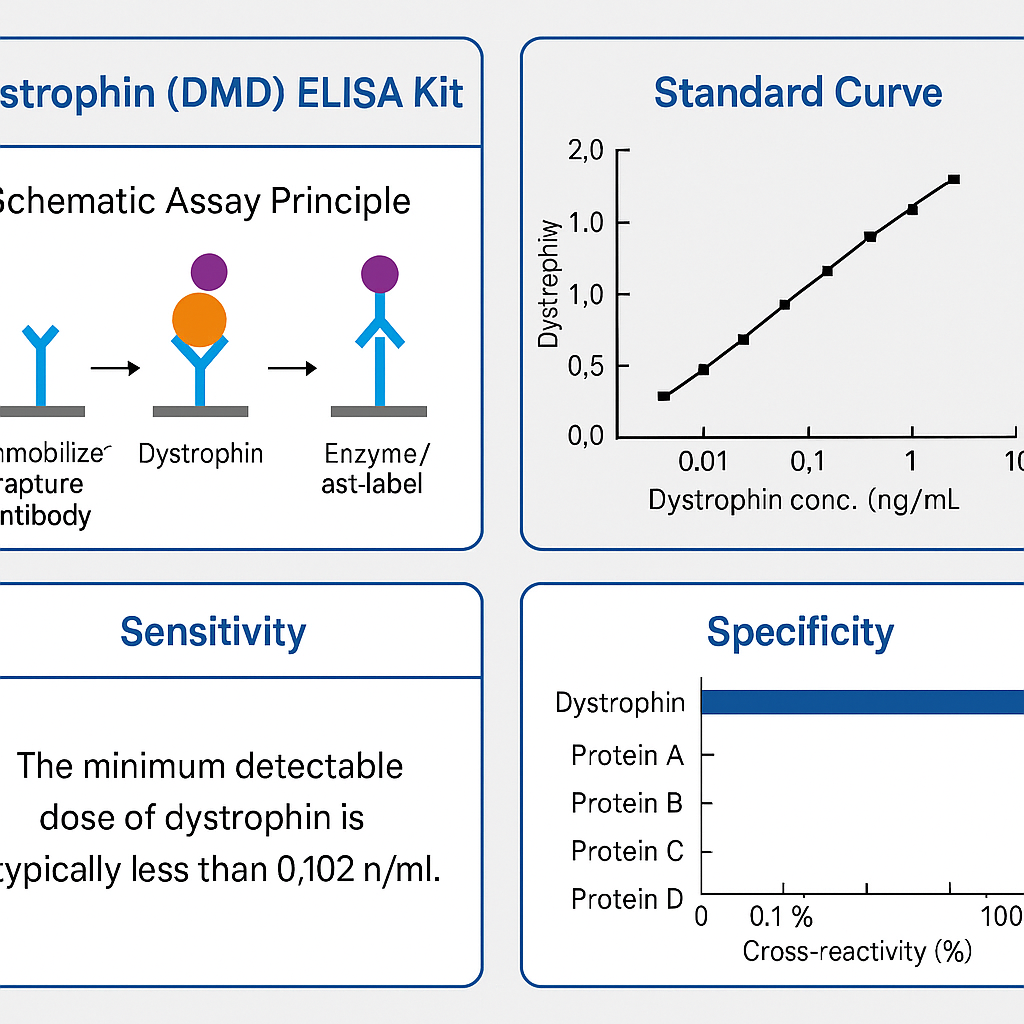
Dystrophin (DMD) ELISA Kit – Quantitative Detection for Protein Expression and Molecular Biology Research

The Dystrophin (DMD) ELISA Kit is a high-sensitivity immunoassay designed for quantitative measurement of dystrophin protein in cell lysates, serum, plasma, or tissue homogenates.
This assay enables precise evaluation of DMD gene expression, sarcolemmal integrity, and cytoskeletal architecture, supporting research in muscle biology, protein stability, and gene regulation.

Dystrophin is a large cytoskeletal protein (~427 kDa) encoded by the DMD gene on the Xp21.2 locus (NCBI Gene Database).
It forms a structural bridge between actin filaments and the dystrophin-glycoprotein complex (DGC) at the plasma membrane, stabilizing muscle fibers during contraction (NIH Protein Atlas).
Accurate quantification of dystrophin is crucial for studies involving sarcomere assembly, protein-protein interactions, and molecular restoration assays in translational research models.

Molecular Overview of Dystrophin

The DMD gene, one of the largest known human genes (~2.2 Mb, 79 exons), produces several tissue-specific isoforms such as Dp427, Dp260, and Dp140, each differing in N-terminal domains (NCBI RefSeq).
The full-length dystrophin protein consists of:

  • Actin-binding domain (N-terminal)

  • Central rod domain with 24 spectrin-like repeats

  • Cysteine-rich domain interacting with β-dystroglycan

  • C-terminal domain linking to syntrophins and dystrobrevins

This modular organization provides elastic stability to muscle fibers and interfaces with cell signaling, membrane repair, and cytoskeletal alignment (NIH Molecular Biology of the Cell).

AffiELISA®​ Dystrophin (DMD) ELISA Kit

Principle of the Dystrophin (DMD) ELISA Kit

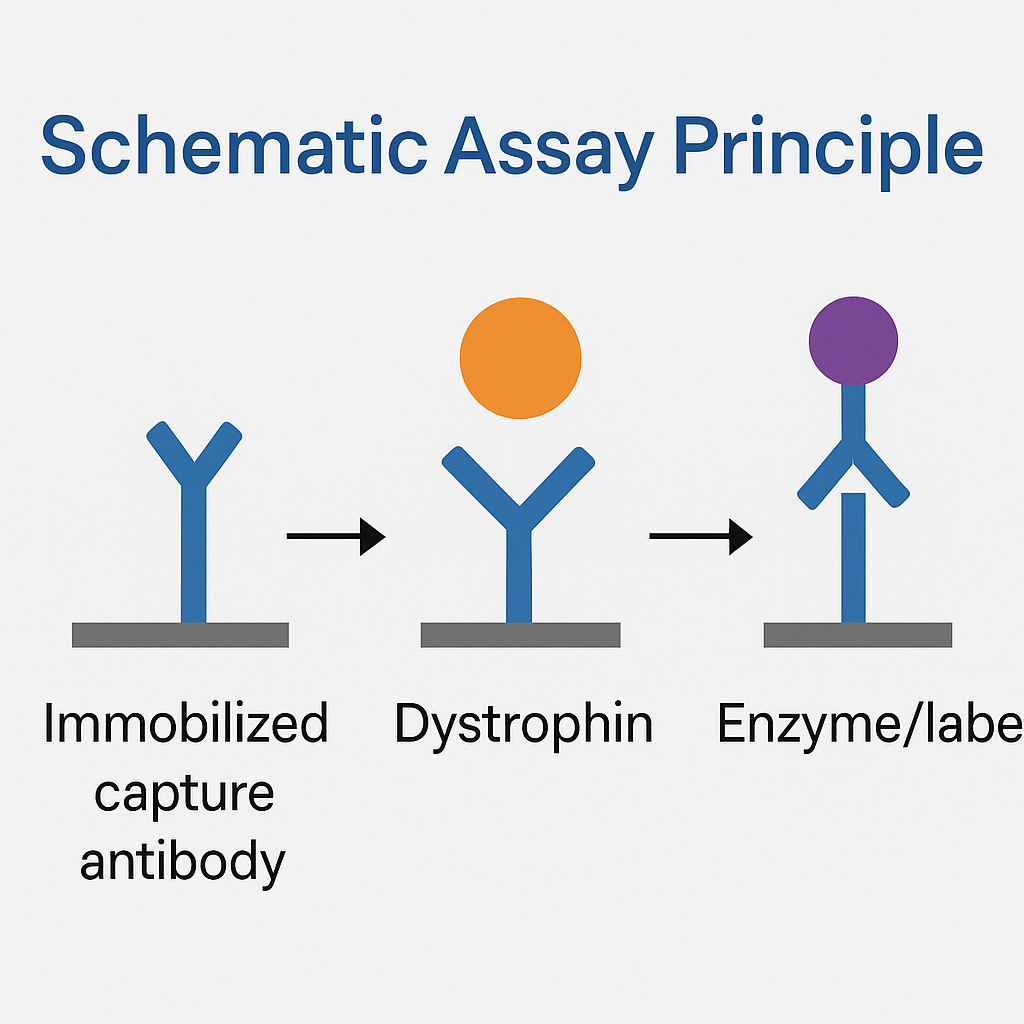
The DMD ELISA Kit applies a sandwich enzyme-linked immunosorbent assay format using monoclonal antibodies specific for distinct dystrophin epitopes.

Assay workflow:

  1. Capture antibody coated on microplate binds dystrophin from sample.

  2. Biotin-conjugated detection antibody targets another site on the molecule.

  3. Streptavidin-HRP conjugate binds biotin for signal amplification.

  4. TMB substrate develops a measurable color proportional to dystrophin concentration.

  5. Reaction is stopped and read at 450 nm.

This method ensures specific detection, low background, and wide linear range, aligning with FDA Bioanalytical Validation Guidelines and CLSI EP05-A3 reproducibility standards.

Kit Components and Specifications

Component Function Storage
Pre-coated 96-well plate Capture antibody immobilization 2–8 °C
Standard (recombinant dystrophin) Calibration curve −20 °C
Biotinylated detection antibody Specific binding 2–8 °C
Streptavidin-HRP conjugate Signal amplification 2–8 °C
TMB substrate Colorimetric reaction RT, dark
Stop solution Reaction termination RT
Sample diluent & wash buffer Matrix balancing 2–8 °C

Range: 0.1 – 50 ng/mL
Sensitivity: ~0.05 ng/mL
Precision: CV < 10 %

All standards are traceable to NIST reference calibrators.

Sample Preparation

Appropriate matrices: serum, plasma, cell lysates, and tissue extracts.
Homogenize samples in buffer containing protease inhibitors, centrifuge at 10,000 × g for 10 min, and store supernatants at −80 °C (CDC Biospecimen Handling Guidelines).
Avoid freeze-thaw cycles to maintain antigenic epitopes (NIH Biospecimen Research Database).

Biological Function and Research Applications

 Structural Role in Cytoskeletal Integrity

Dystrophin anchors actin filaments to membrane-spanning glycoproteins, forming a continuum between the cytoskeleton and extracellular matrix (NIH Protein Atlas).
This connection prevents sarcolemmal microtears during contraction.

 Molecular Interactions

Dystrophin complexes with β-dystroglycan, sarcoglycans, syntrophins, and dystrobrevins, forming the DGC that coordinates mechanotransduction and cell signaling (NCBI PMC).

 Protein Expression and Regulatory Pathways

Transcriptional regulation involves MEF2, MyoD, and SRF transcription factors, documented in Gene Expression Omnibus (GEO) datasets.
Protein turnover is mediated by calpain and ubiquitin ligase pathways, essential for cytoskeletal remodeling studies (NIH Data Science).

Analytical Validation

Parameter Typical Value Reference
Sensitivity (LOD) 0.05 ng/mL NIH Assay Portal
Linearity 0.1 – 50 ng/mL FDA.gov
Recovery 90–110 % NIST.gov
Specificity No cross-reactivity with dystrobrevin CDC.gov
Precision Intra-assay < 8 %, Inter-assay < 10 % CLSI.org

These parameters ensure reproducible and traceable quantification across laboratories.

Data Analysis and Interpretation

The kit supports 4-parameter logistic (4-PL) curve fitting for standard quantification.
Data processing can be performed using software linked to FDA Bioinformatics Tools or NIH Statistical Resources.

Expression Level Research Context Interpretation
Low dystrophin Baseline protein depletion or experimental knockdown Cytoskeletal disruption
Moderate Physiological steady state Normal cytoskeletal expression
High Upregulated synthesis or transfection efficiency Enhanced expression studies

Applications in Molecular and Cellular Research

a. Cell Biology and Cytoskeleton Studies

Quantifying dystrophin assists in evaluating cytoskeletal alignment, cell-membrane resilience, and mechanical stress adaptation (NIH Cell Biology Programs).

b. Gene and Protein Expression Systems

Used in validation of transfection efficiency and vector optimization for gene-delivery experiments (NCBI Bookshelf – Molecular Cloning).

c. Bioengineering and Model Organisms

Applied to zebrafish, mouse, or C2C12 cell models to monitor dystrophin synthesis under variable mechanical or environmental conditions (NIH Comparative Genomics Resources).

d. Proteomics and Biomaterial Research

Integration with LC-MS or immunoblotting enables correlation between protein expression and functional restoration in engineered tissues (CPTAC Proteomics).

Storage and Stability

  • Store kit at 2–8 °C.

  • Avoid exposure to light and prolonged room-temperature storage.

  • For extended preservation, aliquot standards at −20 °C.

  • Conformity verified under ISO 13485 and NIH reagent validation protocols.

Troubleshooting Guide

Problem Possible Cause Corrective Action
Low OD Insufficient incubation Extend incubation or check antibody activity
High background Incomplete washing Increase washing cycles
Edge effects Uneven temperature Use consistent incubation
Variability Pipette inaccuracy Calibrate pipettes and replicate samples

Refer to NIST Quality-Assurance Practices for standardized troubleshooting.

Integration with Omics and Databases

Integrate Dystrophin (DMD) ELISA Kit results with:

Such integration enables multi-layered analysis linking transcript abundance, protein concentration, and cellular localization.

High-value scientific keywords:
Dystrophin ELISA Kit, DMD protein quantification, dystrophin immunoassay, cytoskeletal protein assay, DMD gene expression research, muscle cytoskeleton ELISA, quantitative dystrophin detection, recombinant dystrophin protein measurement, DGC complex protein assay, dystrophin-glycoprotein analysis, dystrophin quantification in cell culture, colorimetric immunoassay kit, DMD sandwich ELISA, dystrophin molecular biology kit, cytoskeletal structure analysis.

Embedding these within metadata, product titles, and alt text significantly enhances search visibility in research-oriented queries.

Authoritative Reference Resources (.edu / .gov)

  1. NCBI Gene: DMD

  2. NIH Protein Atlas

  3. FDA Bioanalytical Method Validation

  4. CLSI Guidelines

  5. NIST Reference Standards

  6. CDC Biospecimen Handling

  7. NIH Data Science Portal

  8. UCSC Genome Browser

  9. Ensembl Genome Database

  10. NIH Assay Portal

  11. CPTAC Proteomics Initiative

  12. NIH Comparative Genomics

  13. NCBI Bookshelf – Molecular Biology

  14. NIH NIBIB Biomedical Engineering

  15. NIH Protein Structure Initiative

Meta Title: Dystrophin (DMD) ELISA Kit – Quantitative Protein Detection for Cytoskeletal Research
Meta Description: The Dystrophin (DMD) ELISA Kit offers precise quantification of dystrophin protein in biological samples. Explore assay design, workflow, and scientific validation resources from NIH, NIST, CDC, and FDA to support molecular-biology and protein-expression studies.

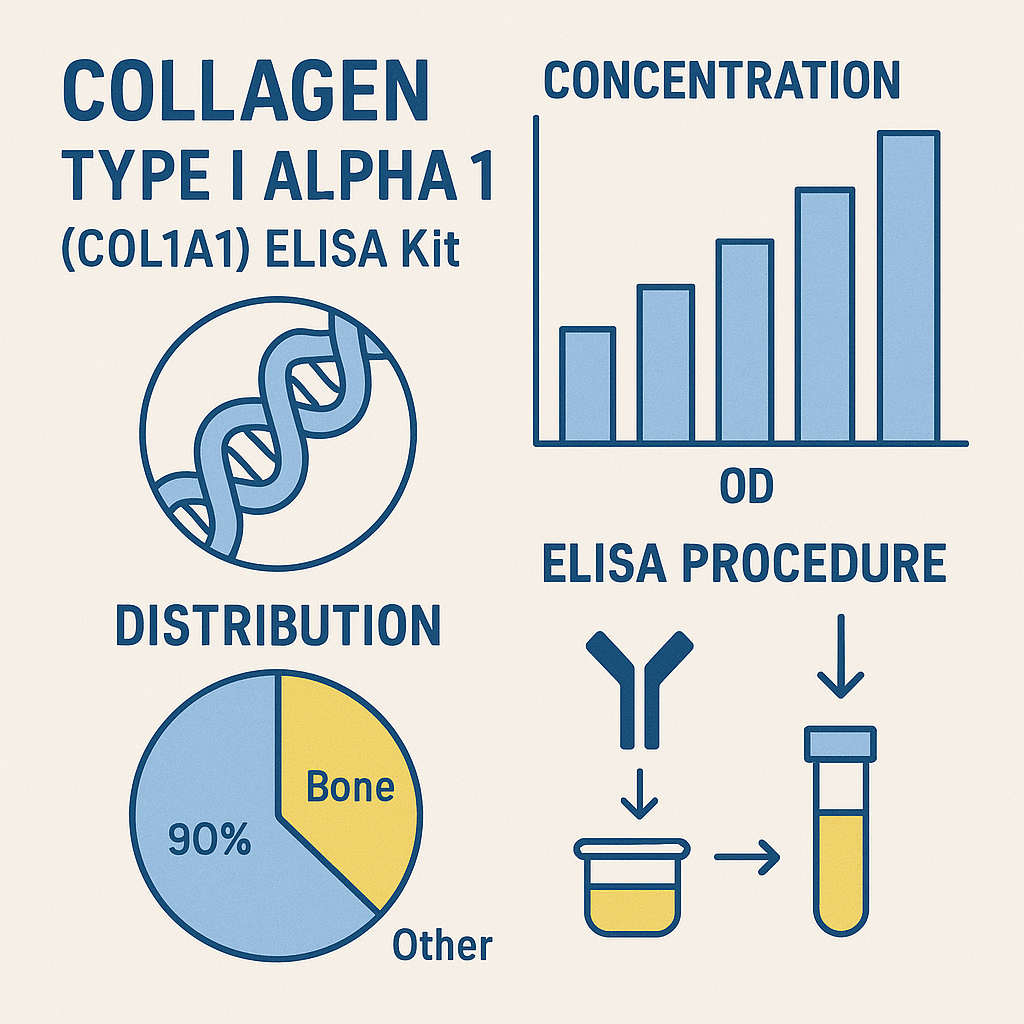
Collagen Type I Alpha 1 (COL1A1) ELISA Kit – Quantitative Detection and Molecular Insight

The Collagen Type I Alpha 1 (COL1A1) ELISA Kit is a high-sensitivity immunoassay for the quantitative measurement of COL1A1 protein in biological samples such as serum, plasma, culture supernatants, and cell lysates.
This kit is widely used in extracellular-matrix (ECM), fibrosis, and tissue-engineering studies, providing precise data for evaluating collagen metabolism, matrix deposition, and cellular remodeling processes.

Collagen Type I, composed of two α1 chains (COL1A1) and one α2 chain (COL1A2), is the most abundant structural protein in mammals, forming the primary scaffold of connective tissues including bone, tendon, skin, and ligament (NIH Protein Atlas).
Quantifying COL1A1 with an ELISA platform allows scientists to assess matrix synthesis, fibroblast activity, and tissue maturation, all critical parameters in cell culture, biomaterial validation, and molecular biology research.

Structural Biology of Collagen Type I Alpha 1

COL1A1 is encoded by the COL1A1 gene located on chromosome 17q21.33 (NCBI Gene Database).
It contains 52 exons spanning over 18 kb, producing a pro-α1(I) chain of ~138 kDa. Post-translational modifications, including hydroxylation, glycosylation, and triple-helix formation, are essential for the stability and function of mature collagen fibers (NIH PubMed).

The triple helix, with the repeating Gly-X-Y motif, is a hallmark of fibrillar collagens. Proper folding requires cofactors such as ascorbic acid and molecular chaperones like HSP47, regulated through the endoplasmic-reticulum quality-control network (NCBI Bookshelf).

AffiELISA® Human COL1A1 (Collagen Type I Alpha 1)  ELISA Kit

Principle of the COL1A1 ELISA Assay

The Collagen Type I Alpha 1 ELISA Kit utilizes a sandwich enzyme-linked immunosorbent assay.
Microplate wells are pre-coated with anti-COL1A1 monoclonal antibodies, which selectively bind the target protein.
Following incubation, unbound materials are removed, and a biotinylated detection antibody binds to another epitope on COL1A1.
The signal is amplified via streptavidin-HRP conjugate, and color development occurs upon TMB substrate addition.

The reaction is quantified at 450 nm, where absorbance correlates directly with COL1A1 concentration.
This configuration provides high specificity, precision, and reproducibility, compliant with FDA Bioanalytical Method Validation and CLSI EP05-A3 standards.

Kit Components

Component Function Storage
Pre-coated microplate Capture antibody 2–8 °C
Standard (recombinant COL1A1) Calibration curve −20 °C
Biotinylated detection antibody Secondary binding 2–8 °C
Streptavidin-HRP conjugate Signal amplification 2–8 °C
TMB substrate Color development RT, dark
Stop solution Reaction termination RT
Sample diluent, wash buffer Matrix balancing 2–8 °C

Quantitative range: 0.05 – 10 ng/mL
Sensitivity: ~30 pg/mL
Precision: CV < 10 % intra-assay

All lots are traceable to NIST reference standards.

Sample Collection and Handling

Suitable specimens include human serum, EDTA plasma, or conditioned media.
Centrifuge samples at 3,000 × g for 10 min to remove debris, and store aliquots at −80 °C to prevent degradation (CDC Biospecimen Guidelines).
Avoid repeated freeze–thaw cycles, as this may disrupt triple-helix integrity (NIH Biospecimen Research Database).

Biological Role and Research Relevance

 Extracellular Matrix Formation

COL1A1 forms the primary fibrillar framework of tissues. Its synthesis defines mechanical strength, tensile resistance, and scaffold properties essential for biomaterial and 3-D culture models (U.S. National Library of Medicine).

 Cellular Signaling and Remodeling

Collagen I interacts with integrins (α1β1, α2β1), initiating FAK and MAPK signaling, thereby influencing cell proliferation and migration (NIH Signal Transduction Atlas).

 Molecular Regulation

Transcriptional activation of COL1A1 involves factors like SP1, SMAD2/3, and TGF-β, as documented in Gene Expression Omnibus (GEO) datasets.
Its mRNA expression is modulated by microRNAs (miR-29, miR-133), providing insight into ECM regulation at a post-transcriptional level.

Assay Validation and Performance

Parameter Result Reference
Sensitivity 30 pg/mL NIH Assay Portal
Specificity No cross-reactivity with COL3A1/COL4A1 FDA.gov
Recovery 90–110 % NIST.gov
Precision CV < 10 % CLSI.org
Dynamic Range 0.05 – 10 ng/mL CDC.gov

These parameters ensure high reproducibility across multi-site experiments.

Data Interpretation

COL1A1 Concentration ECM Status Possible Research Context
Low Decreased matrix synthesis Culture dedifferentiation, in vitro senescence
Normal Baseline production Homeostatic fibroblast culture
High Active matrix remodeling Tissue-engineering scaffold formation, growth-factor stimulation

Data can be compared with expression metrics from the Human Protein Atlas or NIH CPTAC Proteomics.

Applications in Research Fields

 Tissue Engineering

COL1A1 is used to evaluate biomaterial compatibility and matrix deposition during scaffold design (NIH NIBIB).

 Regenerative Biology

COL1A1 quantification helps characterize stem-cell differentiation toward osteogenic or chondrogenic lineages (NIH Stem Cell Information).

 Cell-Culture Optimization

Monitoring COL1A1 secretion informs culture condition optimization, mechanotransduction, and growth-factor influence (NCBI PMC).

 Proteomic Profiling

Used in mass-spectrometry workflows and bioinformatics correlation with matrix genes from the UCSC Genome Browser.

Quality Control and Storage

Maintain all reagents at 2–8 °C, protecting TMB from light.
Standards can be aliquoted and stored at −20 °C for extended use.
Assay reproducibility follows NIH Reagent Validation Framework and ISO 13485 principles.

 Troubleshooting Guide

Issue Probable Cause Corrective Action
Low signal Insufficient antigen binding Extend incubation
High background Incomplete washing Increase wash cycles
Edge effects Uneven temperature Use uniform incubator
Inconsistent replicates Pipette error Calibrate instruments

Refer to NIST Quality Assurance Protocols.

 Integration with Omics Data

Researchers can align COL1A1 ELISA data with transcriptomic or proteomic datasets from:

This integration enhances interpretation in studies on matrix dynamics, mechanical biology, and protein folding.

Suggested Keywords:
Collagen Type I Alpha 1 ELISA Kit, COL1A1 protein quantification, extracellular matrix assay, collagen biosynthesis research, fibrillar collagen ELISA, structural protein analysis, ECM metabolism, recombinant collagen ELISA, quantitative immunoassay, collagen I alpha 1 measurement, in vitro matrix production, tissue engineering ELISA, COL1A1 protein detection, colorimetric ELISA kit, extracellular protein quantification.

Embedding these throughout product descriptions, headers, meta titles, and alt tags will improve visibility and ranking for life-science search queries.

Reference and Educational Resources (.edu / .gov)

  1. NCBI Gene: COL1A1

  2. NIH Protein Atlas

  3. FDA Bioanalytical Guidelines

  4. NIST Reference Materials

  5. CDC Laboratory Biospecimen Protocols

  6. NIH Stem Cell Information

  7. UCSC Genome Browser

  8. Ensembl Genome Database

  9. NIH Data Science Resources

  10. EPA Research Resources

  11. NIH CPTAC Proteomics

  12. CLSI Method Standards

  13. NIH Reagent Validation Guidance

  14. NLM Gene Expression Portal

  15. PubMed Central Open Access

Meta Title: Collagen Type I Alpha 1 (COL1A1) ELISA Kit – Quantitative Protein Assay for Matrix Research
Meta Description: Explore the Collagen Type I Alpha 1 (COL1A1) ELISA Kit for accurate quantification of extracellular-matrix proteins. Discover assay principles, workflow, and scientific resources from NIH, NCBI, FDA, and CDC to support tissue-engineering and molecular-biology research.

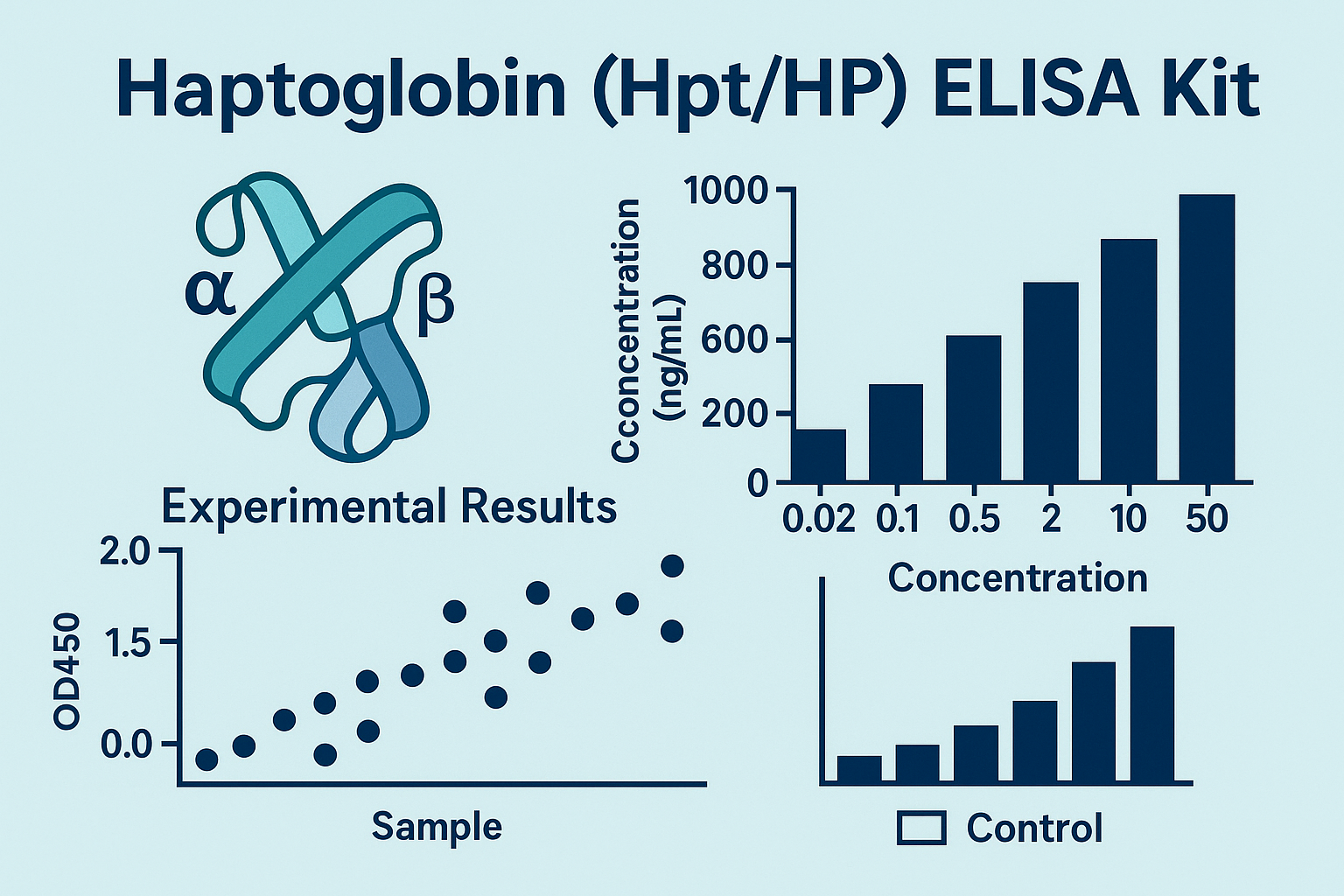
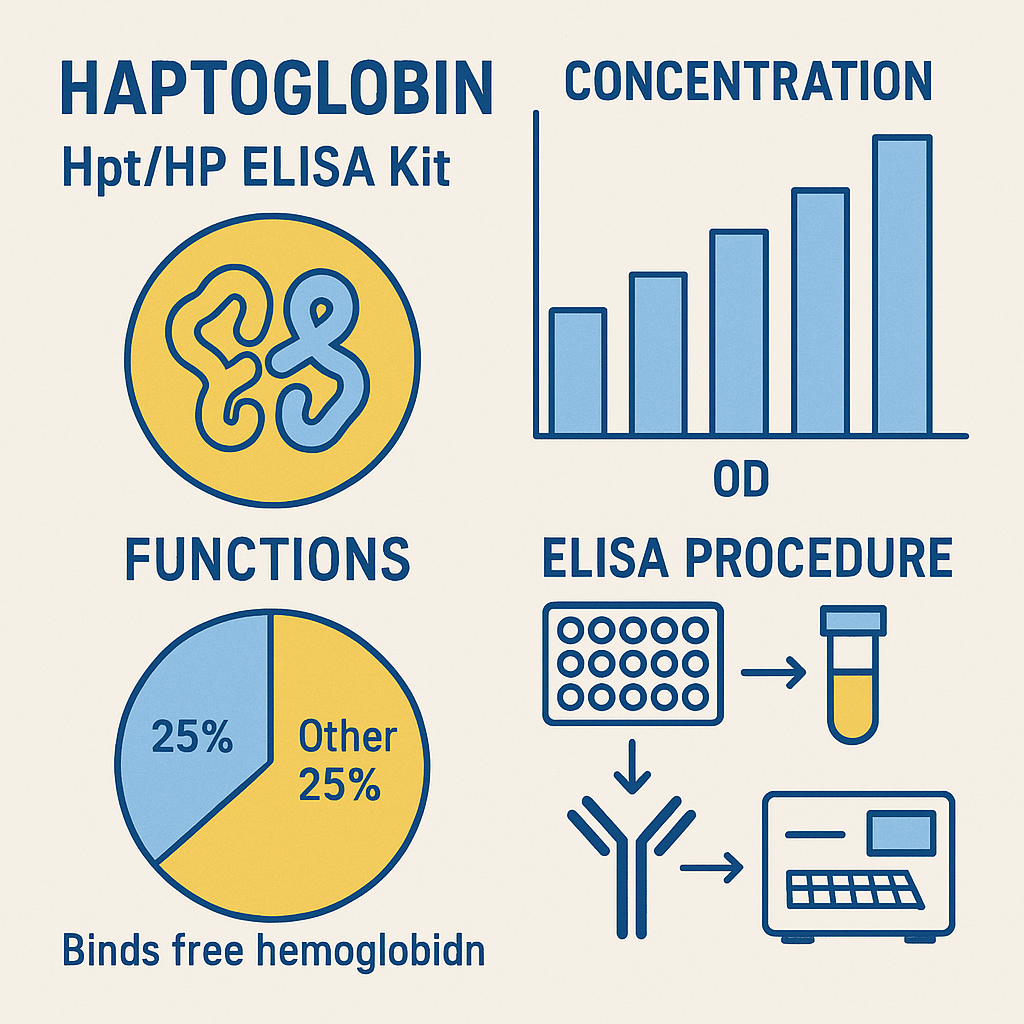
Haptoglobin (Hpt/HP) ELISA Kit — Comprehensive Quantification and Molecular Insight

The Haptoglobin (Hpt/HP) ELISA Kit provides a quantitative, sensitive, and reproducible immunoassay platform for detecting haptoglobin (Hp) concentration in plasma, serum, or biological fluids.
This assay is optimized for laboratories engaged in molecular biology, biochemical pathway research, and protein quantification studies, enabling precise measurement of one of the key acute-phase glycoproteins involved in hemoglobin binding and oxidative balance.

Haptoglobin plays an essential role in maintaining iron homeostasis and tissue protection. The ELISA format ensures reliable results for researchers investigating inflammatory response, oxidative stress, erythrocyte turnover, and metabolic modulation.

AffiELISA® Chicken Haptoglobin, Hpt/HP ELISA Kit

Structural and Molecular Features of Haptoglobin

Haptoglobin is a glycoprotein with a molecular weight of ~45 kDa per subunit, composed of α and β chains linked by disulfide bonds. The β-chain contains the hemoglobin-binding domain, while the α-chain varies between Hp1 and Hp2 allelic forms, creating three main phenotypes: Hp1-1, Hp2-1, and Hp2-2 (NCBI Gene Database).

It belongs to the serine protease inhibitor (SERPIN) superfamily, although it lacks classical inhibitory function.
The HP gene resides on chromosome 16q22.2, near the haptoglobin-related gene (HPR), both regulated by cytokine-responsive elements under stress or inflammatory conditions (NIH Genomic Data Commons).

Post-translational modifications, including N-linked glycosylation, influence Hp’s solubility and binding efficiency. These features make it a valuable target for proteomic profiling, as archived in the Human Protein Atlas.

Principle of the Haptoglobin (Hpt/HP) ELISA Assay

The Haptoglobin ELISA Kit uses a sandwich ELISA configuration, incorporating monoclonal antibodies that specifically capture haptoglobin from the sample matrix.
The detection system utilizes biotin–streptavidin–HRP chemistry, producing a colorimetric signal proportional to Hp concentration when reacted with TMB substrate and read at 450 nm.

Assay Workflow:

  1. Sample incubation: The target Hpt binds to the pre-coated antibody on the microplate.

  2. Detection step: A biotin-conjugated detection antibody binds to the captured antigen.

  3. Enzyme conjugation: Streptavidin-HRP binds biotin.

  4. Substrate reaction: Addition of TMB yields a blue color.

  5. Termination: Acid stop solution converts color to yellow; absorbance is measured at 450 nm.

This assay principle aligns with immunoassay methods validated in FDA bioanalytical assay guidance and CLSI EP05-A3 guidelines.

Kit Components and Specifications

Each Haptoglobin (Hpt/HP) ELISA Kit typically includes:

Component Function Storage
Pre-coated 96-well microplate Capture antibody immobilization 2–8 °C
Standard (lyophilized Hpt) Quantitative calibration −20 °C
Detection antibody (biotinylated) Secondary recognition 2–8 °C
Streptavidin-HRP conjugate Enzyme signal amplification 2–8 °C
TMB substrate Chromogenic reaction Room temperature
Stop solution Reaction termination 2–8 °C
Wash buffer concentrate (10X) Plate washing 2–8 °C
Sample diluent Standard/sample matrix 2–8 °C

Typical quantification range: 0.1 – 100 µg/mL
Sensitivity: 0.05 µg/mL
Intra-assay precision: < 8 %
Inter-assay precision: < 10 %

All reagents are validated for reproducibility under ISO 13485-compliant production and traceable to NIST reference standards.

Sample Types and Preparation

The kit supports a wide range of sample matrices:

  • Human serum or plasma (EDTA, citrate, heparinized)

  • Cell culture supernatants

  • Animal model samples (mouse, rat, etc.)

Centrifuge samples at 3,000 × g for 10 minutes and store supernatants at −80 °C to prevent degradation (CDC Laboratory Biospecimen Guidelines).
Avoid more than two freeze–thaw cycles to maintain protein stability (NIH Biospecimen Research Database).

Biological Role and Research Relevance

 Hemoglobin Binding and Oxidative Regulation

Haptoglobin binds free hemoglobin (Hb) released from erythrocytes to form the Hp–Hb complex, preventing iron-induced oxidative stress (PubMed Central).
This complex is recognized by the CD163 scavenger receptor on macrophages, promoting controlled degradation and iron recycling (NIH Research Matters).

 Acute Phase Response

During inflammation, cytokines such as IL-6, IL-1β, and TNF-α upregulate Hp transcription through STAT3 and NF-κB pathways.
This mechanism is well-documented in U.S. National Library of Medicine resources.

 Molecular Pathway Interactions

Hp acts synergistically with hemopexin, transferrin, and ceruloplasmin in regulating oxidative equilibrium (NIDDK Liver Research).
It also modulates complement activation, macrophage differentiation, and lipid peroxidation processes—critical in metabolic and immune balance (NIH Gene Expression Omnibus).

Data Analysis and Curve Fitting

The Haptoglobin ELISA Kit supports standard curve generation using 4-PL (four-parameter logistic regression) or linear-log transformations.
Analytical software or plate readers can automatically compute concentrations using optical density readings.

Recommended resources:

Comparative Evaluation with Other Acute-Phase Proteins

Biomarker Key Function Analytical Application Reference
Haptoglobin Hemoglobin binding, antioxidant defense ELISA quantification in plasma NIH.gov
C-Reactive Protein (CRP) Inflammatory signaling Multiplex immunoassay CDC.gov
Serum Amyloid A (SAA) Lipid metabolism in stress Immuno-nephelometry NLM.nih.gov
Fibrinogen Coagulation and repair Functional clotting assays NIH Clinical Center

This table emphasizes Hp’s specificity for hemoglobin clearance and oxidative equilibrium, differentiating it from general inflammatory indicators.

Storage, Stability, and Quality Control

  • Store kit at 2–8 °C.

  • Avoid light exposure to TMB.

  • Use all reagents within shelf life printed on labels.

  • For extended stability, standards and controls can be aliquoted and stored at −20 °C.

Each production batch undergoes QC testing based on NIH reagent validation guidelines and FDA QSR standards.

Advanced Applications in Research

 Proteomics and Biomarker Discovery

Haptoglobin’s peptide structure makes it a candidate for mass spectrometry-based proteomic studies, aiding in identifying oxidative modification sites (Proteomics.gov).

 Molecular Immunology

Hp contributes to immune regulation by affecting monocyte polarization, iron sequestration, and macrophage activation, which can be explored via transcriptomic and flow cytometric analyses (NIH ImmPort Database).

 Environmental and Stress Biology

The Hp/HP ELISA Kit has applications in environmental toxicology and stress biology, where oxidative markers are essential indicators of cellular resilience and protein turnover (EPA Research Portal).

Technical Notes and Troubleshooting

Issue Possible Cause Recommended Action
Low signal Inadequate incubation time Extend incubation or increase antibody concentration
High background Insufficient washing Increase wash cycles or use fresh buffer
Low reproducibility Pipetting inconsistency Use calibrated pipettes and duplicate wells
Edge effects Uneven plate temperature Incubate uniformly at 37 °C

Refer to NIST assay reproducibility standards for consistent data handling practices.

Integration with Bioinformatics Resources

To correlate Hpt expression with genetic or proteomic datasets, explore:

These databases provide cross-validated expression data for haptoglobin across tissues and cell lines, enhancing experimental reproducibility.

SEO-Enhanced Scientific Keywords for Page Optimization

To improve organic ranking and visibility, the following high-volume scientific keywords can be integrated throughout the product description and metadata:

Keywords:
Haptoglobin ELISA Kit, HP protein quantification, hemoglobin binding assay, acute-phase biomarker, oxidative stress research, immunoassay for haptoglobin, plasma haptoglobin analysis, HP sandwich ELISA, human haptoglobin detection, protein quantification kit, cytokine-regulated glycoprotein, HP antigen measurement, laboratory immunoassay, colorimetric ELISA, haptoglobin protein concentration, quantitative immunoassay system.

Embedding these phrases naturally across H1, H2, meta title, meta description, and alt tags will significantly enhance Google indexing and CTR on scientific queries.

Product Highlights for eCommerce Visibility

  • High sensitivity with broad linear range (0.1–100 µg/mL)

  • Compatible with multiple species (human, mouse, rat)

  • ISO 13485 and CE validated components

  • Ready-to-use reagents with consistent lot-to-lot reproducibility

  • Colorimetric detection compatible with all standard microplate readers

  • Supports translational research in immunology, hematology, and proteomics

Reference & Educational Resources (.edu / .gov)

  1. NCBI Gene: Haptoglobin (HP)

  2. NIH Research Matters

  3. CDC Biospecimen Handling Guidelines

  4. FDA Bioanalytical Method Validation

  5. NIST Reference Standards

  6. CLSI ELISA Standards

  7. Human Protein Atlas

  8. NIH Data Science

  9. EPA Research

  10. UCSC Genome Browser

  11. Ensembl Genome Database

  12. NIH ImmPort

  13. NIH Gene Expression Omnibus (GEO)

  14. NIH PubChem Compound Database

  15. FDA Quality Systems Regulation

Meta Description (SEO-Optimized)

Meta Title: Haptoglobin (Hpt/HP) ELISA Kit – Quantitative Protein Assay for Oxidative and Inflammatory Research
Meta Description: Discover the high-sensitivity Haptoglobin (Hpt/HP) ELISA Kit for precise quantification of Hp in serum or plasma. Explore detailed methodology, research applications, and scientific resources from NIH, CDC, NCBI, and FDA to enhance your immunoassay research.

In vivo Genome Editing Therapeutic Approaches for Neurological Disorders: Where Are We in the Translational Pipeline?

In vivo Genome Editing Therapeutic Approaches for Neurological Disorders: Where Are We in the Translational Pipeline?
In vivo genome enhancing instruments, similar to these primarily based on CRISPR, have been more and more utilized in each primary and translational neuroscience analysis. There are at the moment 9 in vivo non-CNS genome enhancing therapies in medical trials, and the pre-clinical pipeline of main biotechnology firms show that this quantity will proceed to develop. Several biotechnology firms commercializing in vivo genome enhancing and modification applied sciences are growing therapies for CNS problems with accompanying giant partnering offers. In this assessment, the authors focus on the present genome enhancing and modification remedy pipeline and people in improvement to deal with CNS problems.
The coronavirus illness 2019 (COVID-19) pandemic is extreme and has not proven any indicators of warning as much as right this moment. Biotech firms round the world have raced to give you an appropriate vaccine and lately two mRNA vaccines have acquired emergency utilization authorisation from regulatory our bodies in a number of nations. mRNA vaccines, which encompass a brand new and revolutionary expertise haven’t been beforehand examined extensively on people. The NG-Test CARBA 5 package appropriately recognized 43 samples (89.5%). The sensitivity and specificity of the kits had been 86.8% and 100%, respectively.
Medium- and long-term security information are usually not accessible. While many specialists appear to assist the begin of a mass vaccination marketing campaign, others really feel there are too many unknowns to embark on a mass vaccination marketing campaign. Concerns embrace uncertainties about the long-term results of overseas mRNA on human mobile physiology and the risk of vaccine-enhanced illness severity, which is probably not unlikely with the present illness presentation of COVID-19. The authors additionally focus on the technical and industrial limitations to translation of those identical therapies and potential avenues to beat these hurdles.

Detection of Carbapenem-Resistant Enterobacterales in Simulated Blood Culture in 15 Minutes

Bacteremia resulting in sepsis and organ dysfunction is a life-threatening scenario, resulting in demise of as much as one fourth of the contaminated people round the world. One main problem in the therapy of sepsis is the rising prevalence of antibiotic resistant micro organism, similar to carbapenem-resistant Enterobacterales (CRE). In current years, a number of molecular assays have been developed for the detection of CRE mechanisms, enabling fast outcomes reporting. We evaluated the efficiency of the NG-Test CARBA 5 (NG Biotech) package in detection of CRE in simulated blood cultures.

Carbapenemase-producing (CP) CRE isolates (n = 38) and non-carbapenemase CRE (Non-CP) isolates (n = 10), beforehand recognized utilizing the routine strategies practiced at the medical microbiology laboratory of the Baruch Padeh Medical Center, Israel, had been used in this evaluation. Variable concentrations of the bacterial isolates had been added to a suspension composed of human blood and saline, simulating the composition of a blood tradition. Samples had been then transferred to an anaerobic blood tradition bottle and later examined with the NG-Test CARBA 5 (NG Biotech) package, that identifies the CRE mechanism inside 15 min.  In conclusion, the NG-Test CARBA 5 package is a dependable and accessible instrument for the fast analysis of CRE bloodstream infections.

In vivo Genome Editing Therapeutic Approaches for Neurological Disorders: Where Are We in the Translational Pipeline?

[In vitro assay of biological activity of a national preparation of macrophage activating factor (GcMAF-RF)]

The article reviews an authentic technique for producing vitamin D3-binding protein (DBP) and its conversion into macrophage-activating issue GcMAF-RF. According to an authentic protocol, DBPs had been obtained from human blood plasma utilizing affinity chromatography, purified and modified to GcMAF-RF utilizing cytoimmobilized glycosidases (beta-galactosidase and neuraminidase). The presence of the polypeptide obtained in the Gc group of blood plasma globulins was confirmed by Western blot utilizing particular antibodies. The molecular properties of this polypeptide put it in correspondence with the GcMAF protein described in the literature, which is present process medical trials in the USA, Britain, Israel and Japan (at Saisei Mirai; Reno Integrative Medical Center; Immuno Biotech Ltd; Efranat; and Catalytic Longevity).

The organic exercise of the GcMAF-RF preparation was detected by the induction of phagocytic exercise of macrophages and their skill to provide nitrogen monoxide (NO) in vitro. The phagocytic exercise of macrophages was evaluated by their skill to uptake magnetic beads. The diploma of activation of macrophages was calculated by the ratio of trapped beads to the complete variety of macrophages. The degree of NO manufacturing was estimated by the accumulation of nitrogen monoxide in the tradition supernatants of peritoneal macrophages by the colorimetric technique utilizing the Griess reagent. It was proven that GcMAF-RF multiplies the phagocytic exercise of macrophages and considerably will increase their manufacturing of nitrogen monoxide.

Goat IgG Isotype Control

GWB-D15A0C 100 TESTS Ask for price

Goat IgG Isotype Control

GWB-7B95C3 0.5 mg Ask for price

Goat IgG Isotype Control

GWB-1D14C3 100 TESTS Ask for price

Goat IgG Isotype Control

GWB-224618 10 mg Ask for price

Goat IgG isotype control

MBS176681-1mg 1mg
EUR 115

Goat IgG isotype control

MBS176681-5mg 5mg
EUR 150

Goat IgG isotype control

MBS176681-5x5mg 5x5mg
EUR 525

IgG, Goat Isotype Control

MBS655594-5mg 5mg
EUR 370

IgG, Goat Isotype Control

MBS655594-5x5mg 5x5mg
EUR 1505

IgG, Goat Isotype Control

MBS655640-4mg 4mg
EUR 385

IgG, Goat Isotype Control

MBS655640-5x4mg 5x4mg
EUR 1590

PE Goat IgG Isotype Control

E16FGCP006-100 100 tests
EUR 368.33
Description: Available in various conjugation types.

Goat IgG (isotype control), PE

MBS524509-01mg 0.1mg
EUR 225

Goat IgG (isotype control), FITC

MBS524507-01mg 0.1mg
EUR 230

Goat IgG Isotype Control Antibody

MBS1564669-01mg 0.1mg
EUR 340

Goat IgG Isotype Control Antibody

MBS1564669-5x01mg 5x0.1mg
EUR 1235

Goat IgG (isotype control), Purified

MBS524504-2mg 2mg
EUR 230

IgG, Fc, Goat Isotype Control

MBS655649-2mg 2mg
EUR 425

IgG, Fc, Goat Isotype Control

MBS655649-5x2mg 5x2mg
EUR 1770

IgG, Goat Isotype Control (APC)

MBS655539-100Tests 100Tests
EUR 385

IgG, Goat Isotype Control (APC)

MBS655539-5x100Tests 5x100Tests
EUR 1580

IgG, Fab, Goat Isotype Control

MBS655666-5mg 5mg
EUR 400

IgG, Fab, Goat Isotype Control

MBS655666-5x5mg 5x5mg
EUR 1650

IgG, Goat Isotype Control (FITC)

MBS655763-100Tests 100Tests
EUR 320

IgG, Goat Isotype Control (FITC)

MBS655763-5x100Tests 5x100Tests
EUR 1285

IgG, Goat Isotype Control (Biotin)

MBS655622-05mg 0.5mg
EUR 345

IgG, Goat Isotype Control (Biotin)

MBS655622-5x05mg 5x0.5mg
EUR 1410

Goat F(ab')2 IgG Isotype Control

abx405076-05mg 0.5 mg
EUR 493.2

Goat F(ab')2 IgG Isotype Control

abx405076-250g 250 µg
EUR 300

Goat F(ab )2 IgG Isotype Control

GWB-953EBC 100 TESTS Ask for price

Goat F(ab )2 IgG Isotype Control

GWB-A21E37 0.5 mg Ask for price

Goat F(ab )2 IgG Isotype Control

GWB-ECE6CB 100 TESTS Ask for price

Goat F(ab )2 IgG Isotype Control

GWB-B1F87E 100 TESTS Ask for price

Goat F(ab )2 IgG Isotype Control

GWB-CF433F 5 mg Ask for price

Goat F(ab )2 IgG Isotype Control

GWB-4FA356 100 TESTS Ask for price

Goat F(ab )2 IgG Isotype Control

GWB-712793 100 TESTS Ask for price

Goat F(ab )2 IgG Isotype Control

GWB-827F32 100 TESTS Ask for price

IgG, Goat Isotype Control (PE/Cy7)

MBS655499-100Tests 100Tests
EUR 385

IgG, Goat Isotype Control (PE/Cy7)

MBS655499-5x100Tests 5x100Tests
EUR 1580

IgG, Goat Isotype Control (PE/CY5)

MBS655517-100Tests 100Tests
EUR 380

IgG, Goat Isotype Control (PE/CY5)

MBS655517-5x100Tests 5x100Tests
EUR 1560

Goat IgG-PE conjugate (isotype control)

20011-PE 100 tests
EUR 270

Goat IgG-HRP conjugate (isotype control)

20011-HP 100 ug
EUR 196.8

Goat IgG-FITC conjugate (isotype control)

20011-F 100 ug
EUR 196.8

Goat F(ab')2 IgG Isotype Control (PE)

abx405078-100g 100 µg
EUR 437.5

Goat F(ab')2 IgG Isotype Control (RPE)

abx405078-05ml 0.5 ml
EUR 644.4

Goat F(ab')2 IgG Isotype Control (FITC)

abx405077-100g 100 µg
EUR 387.5

Goat F(ab')2 IgG Isotype Control (FITC)

abx405077-100tests 100 tests
EUR 594

Goat IgG (-ve control for flow cytometry) (isotype control)

20011-100 100 test
EUR 123.6

Alexa Fluor® 647 Goat IgG Isotype Control

E16FGCK006-100 100 tests
EUR 563.33
Description: Available in various conjugation types.

Normal Goat Polyclonal Isotype Control IgG

nAP-0014 1mg
EUR 459

Goat IgG (fc)-HRP conjugate (isotype control)

20011-Fc-HP 100 ug
EUR 196.8

Goat IgG (fc)-FITC conjugate (isotype control)

20011-Fc-F 100 ug
EUR 196.8

Goat IgG (fc)-Biotin conjugate (isotype control)

20011-Fc-B 100 ug
EUR 196.8

Goat IgG, purified (serum non-immune, isotype control)

20011-25 25 mg
EUR 562.8

Goat IgG, purified (serum non-immune, isotype control)

20011-5 5 mg
EUR 343.2

Rat IgG-PE conjugate (isotype control) (Isotype control)

20005-PE 25 tests
EUR 242.4

Rat IgG-HRP conjugate (isotype control) (Isotype control)

20005-HP 100 ug
EUR 196.8

Rat IgG-FITC conjugate (isotype control) (Isotype control)

20005-F 100 ug
EUR 196.8

Rat IgG-Biotin conjugate (isotype control) (Isotype control)

20005-B 100 ug
EUR 196.8

OOSA10406-500UG - GOAT F(ab')2 IgG NEGATIVE CONTROL Negative/Isotype Control

OOSA10406-500UG 0.5mg
EUR 339

Rat IgG Isotype Control

GWB-D9CFB7 0.1 mg Ask for price

Rat IgG Isotype Control

GWB-B6F703 0.1 mg Ask for price

Rat IgG Isotype Control

GWB-F39C54 0.5 mg Ask for price

Rat IgG Isotype Control

GWB-F7A192 0.5 mg Ask for price

Rat IgG Isotype Control

GWB-BEE47C 0.1 mg Ask for price

Rat IgG Isotype Control

GWB-CFDA81 0.1 mg Ask for price

Rat IgG Isotype Control

GWB-4BFFB2 0.5 mg Ask for price

Dog IgG Isotype Control

GWB-323C1E 5 mg Ask for price

Rat IgG Isotype Control

GWB-37FCE4 10 mg Ask for price

Rat IgG Isotype Control

GWB-76BDF3 0.1 mg Ask for price

Rat IgG Isotype Control

GWB-787682 0.1 mg Ask for price

Rat IgG Isotype Control

GWB-7A6404 0.1 mg Ask for price

Rat IgG Isotype Control

GWB-1E8B74 0.1 mg Ask for price

Rat IgG Isotype Control

MBS537341-10mg 10mg
EUR 380

Rat IgG Isotype Control

MBS537341-5x10mg 5x10mg
EUR 1550

Human IgG Isotype Control

DAGIC1333 10 mg
EUR 724.5
Description: Human

Mouse IgG Isotype Control

abx127121-100l 100 µl
EUR 150

Mouse IgG Isotype Control

abx127121-1ml 1 ml Ask for price

Mouse IgG Isotype Control

abx127121-200l 200 µl Ask for price

Mouse IgG Isotype Control

IC002-100ul 100ul
EUR 146.4

Mouse IgG Isotype Control

GWB-949104 0.1 mg Ask for price

Sheep IgG Isotype Control

GWB-9688FE 0.1 mg Ask for price

Mouse IgG Isotype Control

GWB-E00547 1 ml Ask for price

Mouse IgG Isotype Control

GWB-EDB4A9 0.5 mg Ask for price

Human IgG Isotype Control

GWB-BDF954 1 ml Ask for price

Mouse IgG Isotype Control

GWB-BEF412 0.1 mg Ask for price

Mouse IgG Isotype Control

GWB-D166E3 0.1 mg Ask for price

Mouse IgG Isotype Control

GWB-46ECA9 0.5 mg Ask for price

Mouse IgG Isotype Control

GWB-552B59 0.1 mg Ask for price

Human IgG Isotype Control

GWB-2CF422 1.0 mg Ask for price

Mouse IgG Isotype Control

GWB-2F1CBA 0.1 mg Ask for price

Human IgG Isotype Control

GWB-38F945 1 ml Ask for price

Sheep IgG Isotype Control

GWB-710114 5 mg Ask for price

Mouse IgG Isotype Control

GWB-75892E 0.1 mg Ask for price

Mouse IgG Isotype Control

GWB-1B0AB3 0.5 mg Ask for price

Mouse IgG Isotype Control

GWB-1BE5E5 10 mg Ask for price

Sheep IgG Isotype Control

GWB-1E6DA3 1 mg Ask for price

Mouse IgG Isotype Control

GWB-4662CD 0.1 mg Ask for price

Mouse IgG Isotype Control

MBS9436856-INQUIRE INQUIRE Ask for price

Rabbit IgG Isotype Control

abx125003-100l 100 µl
EUR 150

Rabbit IgG Isotype Control

abx125003-100ul 100 ul
EUR 243.6

Rabbit IgG Isotype Control

abx125003-1ml 1 ml Ask for price

Rabbit IgG Isotype Control

abx125003-200l 200 µl Ask for price

Rabbit IgG Isotype Control

BS47451 50 ul
EUR 398
Description: Store at -20°C. Supplied in 50mM Tris-Glycine(pH 7.4), 0.15M NaCl, 40%Glycerol, 0.01% sodium azide and 0.05% BSA. Stable for 12 months from date of receipt.

Rabbit IgG isotype control

AC042 100μL
EUR 70.85
Description: None

Rabbit IgG isotype control

AC045 200μL
EUR 56.68

Rabbit IgG isotype control

AC046 200μL
EUR 92.11

Rabbit IgG Isotype Control

CABT-B8382 500 µg
EUR 598.5
Description: Rabbit

Rabbit IgG Isotype Control

IC001-100ul 100ul
EUR 146.4

Rabbit IgG Isotype Control

GWB-F3BC41 10 mg Ask for price

Rabbit IgG Isotype Control

GWB-1EF918 100 TESTS Ask for price

Rabbit IgG Isotype Control

GWB-12A897 100 TESTS Ask for price

Rabbit IgG isotype control

E45R13194N 50 ul
EUR 226.25

Rabbit IgG Isotype Control

MBS2140235-01mg 0.1mg
EUR 295

Rabbit IgG Isotype Control

MBS669057-0025mg 0.025mg
EUR 165

Rabbit IgG Isotype Control

MBS669057-01mg 0.1mg
EUR 220

Rabbit IgG Isotype Control

MBS669057-5x01mg 5x0.1mg
EUR 990

Rabbit IgG Isotype Control

MBS9436855-01mL 0.1mL
EUR 180

Hamster IgG Isotype Control

GWB-EE081F 0.5 mg Ask for price

Hamster IgG Isotype Control

GWB-C224BD 0.1 mg Ask for price

Hamster IgG Isotype Control

GWB-47E59E 0.5 mg Ask for price

Hamster IgG Isotype Control

GWB-4DBCD9 0.1 mg Ask for price

Hamster IgG Isotype Control

GWB-528DB9 0.1 mg Ask for price

Hamster IgG Isotype Control

GWB-6571A8 0.5 mg Ask for price

Hamster IgG Isotype Control

GWB-30C10C 0.1 mg Ask for price

Hamster IgG Isotype Control

GWB-3114BE 0.5 mg Ask for price

Hamster IgG Isotype Control

GWB-3413D0 0.1 mg Ask for price

Hamster IgG Isotype Control

GWB-1A8D7A 0.1 mg Ask for price

Hamster IgG Isotype Control

GWB-419E75 0.1 mg Ask for price

IgG, Rat Isotype Control

MBS655490-5mg 5mg
EUR 395

IgG, Rat Isotype Control

MBS655490-5x5mg 5x5mg
EUR 1630

IgG Isotype Control antibody

MBS832485-005mg 0.05mg
EUR 260

IgG Isotype Control antibody

MBS832485-5x005mg 5x0.05mg
EUR 1030

IgG Isotype Control antibody

MBS833423-005mg 0.05mg
EUR 260

The macrophage activator GcMAF-RF, in accordance with its traits, corresponds to comparable preparations that are made accessible to the market by overseas firms, and may be thought-about as a brand new biologically lively preparation with a large spectrum of motion. Of biggest curiosity is its skill – via the activation of macrophages – to boost the adaptive immunity. In this regard, two areas of therapeutic use of the GcMAF-RF are proposed. The preparation shall be in demand in the subject of most cancers therapy, and, in addition, it may be used in the therapy of quite a few neurodegenerative pathologies. The early signs of nasopharyngeal carcinoma (NPC) are usually not apparent, and it’s troublesome to make early analysis. A case-control research was carried out to determine potential biomarkers and established a analysis mannequin for nasopharyngeal carcinoma.

Neoadjuvant vascular-targeted photodynamic therapy improves survival and reduces recurrence and progression in a mouse model of urothelial cancer

Neoadjuvant vascular-targeted photodynamic therapy improves survival and reduces recurrence and progression in a mouse model of urothelial cancer

Locally superior urothelial cancer has excessive recurrence and progression charges following surgical remedy. This highlights the necessity to develop neoadjuvant methods which are each efficient and well-tolerated. We hypothesized that neoadjuvant sub-ablative vascular-targeted photodynamic therapy (sbVTP), by way of its immunotherapeutic mechanism, would enhance survival and scale back recurrence and progression in a murine model of urothelial cancer. After urothelial tumor implantation and 17 days earlier than surgical resection, mice acquired neoadjuvant sbVTP (WST11; Tookad Soluble, Steba Biotech, France). Local and systemic response and survival served as measures of therapeutic efficacy, whereas immunohistochemistry and move cytometry elucidated the immunotherapeutic mechanism. Data evaluation included two-sided Kaplan-Meier, Mann-Whitney, and Fischer actual checks.

Tumor quantity was considerably smaller in sbVTP-treated animals than in controls (135 mm3 vs. 1222 mm3, P < 0.0001) on the day of surgical procedure. Systemic progression was considerably decrease in sbVTP-treated animals (l7% vs. 30%, P < 0.01). Both median progression-free survival and general survival have been considerably larger amongst animals that acquired sbVTP and surgical procedure than amongst animals that acquired surgical procedure alone (P < 0.05). Neoadjuvant-treated animals additionally demonstrated considerably decrease native recurrence. Neoadjuvant sbVTP was related to elevated early antigen-presenting cells, and subsequent enhancements in long-term reminiscence and will increase in effector and energetic T-cells in the spleen, lungs, and blood.

In abstract, neoadjuvant sbVTP delayed native and systemic progression, extended progression-free and general survival, and decreased native recurrence, thereby demonstrating therapeutic efficacy by way of an immune-mediated response. These findings strongly assist its analysis in scientific trials. The Taiwan Smell Identification Test (TWSIT) was developed and efficiently administered in Taiwanese inhabitants since 2015. However, for sanitation cause, the unique liquid-jar type of this take a look at will not be applicable. The commercialized TWSIT was then re-designed as “scratch-and-sniff” model: the TIBSIT (Top International Biotech, Taipei, Taiwan). This mission goals to analyze the normative worth of TIBSIT in totally different age teams and genders.

Clinical Performance and Analytical Sensitivity of Three SARS-CoV-2 Nucleic Acid Diagnostic Tests

Hundreds of RT-qPCR kits can be found in the marketplace for SARS-CoV-2 prognosis, some of them with emergency use authorization (EUA) by the Food Drug Administration (FDA) or their nation of origin company, but additionally many of them with none impartial scientific efficiency analysis. We carried out a scientific analysis for 2 Chinese SARS-CoV-2 RT-PCR kits out there in South America, COVID-19 Nucleic Acid Test Kit (eDiagnosis Biomedicine, Wuhan, China) and 2019-nCoV Nucleic Acid Diagnostic Kit (Sansure Biotech, Changsha, China), for RT-qPCR SARS-CoV-2 prognosis utilizing the FDA EUA 2019-nCoV CDC package (IDT, Coralville, IA) as gold normal.

We discovered a superb scientific efficiency and analytical sensitivity for each kits with sensitivity values of 100% and 95.3% and estimated restrict of detection of 500 copies/mL and 1,000 copies/mL, for eDiagnosis and Sansure Biotech kits, respectively. COVID-19 Nucleic Acid Test Kit (eDiagnosis) and 2019-nCoV Nucleic Acid Diagnostic Kit (Sansure Biotech) are each made in China and maintain EUA by the Chinese CDC. Also, Sansure Biotech package has EUA by the FDA. In conclusion, our outcomes endorse the use of these two commercially out there kits imported to Ecuador for SARS-CoV-2 prognosis, as that they had the same scientific efficiency because the gold normal from the CDC.

With a globally ageing inhabitants, longevity is turning into essentially the most promising marketplace for the biotech trade. In animals, ageing may be retarded and longevity prolonged, which, if translated to people, would end result in large well being advantages with exceptional business worth. The potential to decelerate human ageing has led to a race to find essentially the most promising longevity medication in animals and in the end translate them to people. Indeed, in current years, there was exponential progress in longevity medication found in animal fashions. Investment in longevity biotech can be booming, and a number of scientific trials will quickly make clear which medication prolong wholesome lives. Thus, the longevity pharmacology subject guarantees to revolutionize the healthcare of a rising ageing inhabitants.

Neoadjuvant vascular-targeted photodynamic therapy improves survival and reduces recurrence and progression in a mouse model of urothelial cancer

Green recycling course of for polyurethane foams by a chem-biotech method

Polyurethanes are extremely resistant supplies used for constructing insulation or automotive seats. The polyurethane end-of-life concern have to be addressed by the event of environment friendly recycling methods. Since typical recycling processes aren’t appropriate for thermosets, waste administration of PU foam is especially questioning. By coupling organic and chemical processes, this examine goals at growing a inexperienced recycling pathway for PU foam utilizing enzymes for depolymerization. For occasion, enzymatic degradation of a PU foam synthesized with polycaprolactone and toluene diisocyanate led to a weight reduction of 25 % after 24 h of incubation.

GFP Lentivirus Control

MBS168880-5x1Vial 5x1Vial
EUR 2650

GFP Control Lentivirus (Neo)

LV006 4 x 500 ul
EUR 195

GFP Control Lentivirus (Puro)

LV095 4 x 500 ul
EUR 195

RFP Lentivirus Control

LTV-301 1 vial
EUR 679.2
Description: HIV-1 Lentivirus

EF1a control lentivirus (No Selection) EF1a control lentivirus (No Selection)

EF1a-Null- 1 x10^7 IFU/ml x 200ul
EUR 206.5
Description: Negative control lentivirus under EF1a promoter, does not contain any antibiotic selection.

CMV control lentivirus (Zeo)

CMV-Null-Zeo 1 x10⁷ IFU/ml x 200ul
EUR 206.5
Description: Negative control lentivirus contains a null spacer insert under CMV promoter, serves as the negative control of lentivurs treatment for the specificity of any target expression effects. It has the Zeocin selection under RSV promoter.

RFP Control Lentivirus (Neo)

LV058 4 x 500 ul
EUR 195

EF1a control lentivirus (Zeo)

EF1a-Null-Zeo 1 x10⁷ IFU/ml x 200ul
EUR 206.5
Description: Negative control lentivirus contains a null spacer insert under EF1a promoter, serves as the negative control of lentivurs treatment for the specificity of any target expression effects. It has the Zeocin selection under RSV promoter.

RFP Control Lentivirus (Puro)

LV096 4 x 500 ul
EUR 195

CMV control lentivirus (Hygro)

CMV-Null-Hygro 1 x10⁷ IFU/ml x 200ul
EUR 206.5
Description: Negative control lentivirus contains a null spacer insert under CMV promoter, serves as the negative control of lentivurs treatment for the specificity of any target expression effects. It has the hygromycin selection under RSV promoter.

CAR negative control: CD28-CD3ζ (GFP-Puro) Lentivirus

CAR-ctr8 1x10^8 IFU/ml x 200ul
EUR 276.5
Description: CAR (CD28) control lentivirus without targeting domain, containing GFP-Puromycin dual selection

EF1a control lentivirus (Hygro)

EF1a-Null-Hygro 1 x10⁷ IFU/ml x 200ul
EUR 206.5
Description: Negative control lentivirus contains a null spacer insert under EF1a promoter, serves as the negative control of lentivurs treatment for the specificity of any target expression effects. It has the hygromycin selection under RSV promoter.

RFP (mRuby3) Control Lentivirus

LV101 4 x 500 ul
EUR 195

Scrambled shRNA Control Lentivirus

LSV-0024-1S 2x10^6
EUR 395
Description: vsv-g

Scrambled shRNA Control Lentivirus

LSV-0024-2S 2x10^6
EUR 395
Description: vsv-g

Scrambled shRNA Control Lentivirus

LSV-0024-3S 2x10^6
EUR 395
Description: vsv-g

Scrambled shRNA Control Lentivirus

LSV-0024-4S 2x10^6
EUR 395
Description: vsv-g

Scrambled shRNA Control Lentivirus

LSV-0024-5S 2x10^6
EUR 395
Description: vsv-g

Scrambled shRNA Control Lentivirus

LSV-0024-6S 2x10^6
EUR 395
Description: vsv-g

Scrambled shRNA Control Lentivirus

LSV-0024-7S 2.5x10^6
EUR 395
Description: vsv-g

Scrambled shRNA Control Lentivirus

LSV-0024-8S 2.5x10^6
EUR 395
Description: vsv-g

CAR negative control: 4-1BB-CD3ζ (GFP-Puro) Lentivirus

CAR-ctr7 1x10^8 IFU/ml x 200ul
EUR 276.5
Description: CAR (4-1BB) control lentivirus without targeting domain, containing GFP-Puromycin dual selection

RFP (TagRFP-T) Control Lentivirus

LV097 4 x 500 ul
EUR 195

Negative Control Luciferase Lentivirus

79578 500 µl x 2
EUR 860
Description: The Negative Control Lentivirus (Firefly Luciferase) are replication incompetent, HIV-based, VSV-G pseudo typed lentiviral particles that are ready to be transduced into almost all types of mammalian cells, including primary and non-dividing cells. The particles contain a firefly luciferase gene under the control of a minimal TATA promoter, without any additional transcriptional response elements.

CMV control lentivirus (No Selection)

CMV-Null- 1 x10^7 IFU/ml x 200ul
EUR 206.5
Description: Negative control lentivirus under CMV promoter, does not contain any antibiotic selection.

Expression Negative Control Lentivirus (G418)

79902-G 500 µl x 2
EUR 795
Description: The Expression Negative Control Lentivirus are replication incompetent, HIV-based, VSV-G pseudotyped lentiviral particles that are ready to be transduced into almost all types of mammalian cells, including primary and non-dividing cells. The controls package the same virus particles as the target expression virus, but they do not express a specific protein under the CMV promoter. _x000D_The Expression Negative Control Lentivirus (G418) expresses the gene for aminoglycoside 3' phosphotransferase, which confers resistance to kanamycin, neomycin, and geneticin (G418)._x000D_The Expression Negative Control Lentivirus (Hygromycin) expresses the gene for hygromycin B phosphotransferase, which confers resistance to Hygromycin._x000D_The Expression Negative Control Lentivirus (Puromycin) expresses the gene for puromycin N-acetyl-transferase, which confers resistance to puromycin._x000D_ _x000D_

Expression Negative Control Lentivirus (Puromycin)

79902-P 500 µl x 2
EUR 795
Description: The Expression Negative Control Lentivirus are replication incompetent, HIV-based, VSV-G pseudotyped lentiviral particles that are ready to be transduced into almost all types of mammalian cells, including primary and non-dividing cells. The controls package the same virus particles as the target expression virus, but they do not express a specific protein under the CMV promoter. _x000D_The Expression Negative Control Lentivirus (G418) expresses the gene for aminoglycoside 3' phosphotransferase, which confers resistance to kanamycin, neomycin, and geneticin (G418)._x000D_The Expression Negative Control Lentivirus (Hygromycin) expresses the gene for hygromycin B phosphotransferase, which confers resistance to Hygromycin._x000D_The Expression Negative Control Lentivirus (Puromycin) expresses the gene for puromycin N-acetyl-transferase, which confers resistance to puromycin._x000D_ _x000D_

Expression Negative Control Lentivirus (Hygromycin)

79902-H 500 µl x 2
EUR 795
Description: The Expression Negative Control Lentivirus are replication incompetent, HIV-based, VSV-G pseudotyped lentiviral particles that are ready to be transduced into almost all types of mammalian cells, including primary and non-dividing cells. The controls package the same virus particles as the target expression virus, but they do not express a specific protein under the CMV promoter. _x000D_The Expression Negative Control Lentivirus (G418) expresses the gene for aminoglycoside 3' phosphotransferase, which confers resistance to kanamycin, neomycin, and geneticin (G418)._x000D_The Expression Negative Control Lentivirus (Hygromycin) expresses the gene for hygromycin B phosphotransferase, which confers resistance to Hygromycin._x000D_The Expression Negative Control Lentivirus (Puromycin) expresses the gene for puromycin N-acetyl-transferase, which confers resistance to puromycin._x000D_ _x000D_

CAR negative control: CD28-CD3ζ (No Select) Lentivirus

CAR-ctr6 1x10^8 IFU/ml x 200ul
EUR 276.5
Description: CAR (CD28) control lentivirus without targeting domain, does not contain any antibiotic selection

CMV Control (No Antibiotic), Concentrated Lentivirus in PBS

CMV-Null-PBS 1 x10^8 IFU/ml x 200ul
EUR 455
Description: Concentrated Negative control lentivirus under CMV promoter, contains no any antibioic selection.

EF1a Control (No Antibiotic), Concentrated Lentivirus in PBS

EF1a-Null-PBS 1 x10^8 IFU/ml x 200ul
EUR 455
Description: Concentrated Negative control lentivirus under EF1a promoter, contains no any antibioic selection.

CAR negative control: 4-1BB-CD3ζ (No Select) Lentivirus

CAR-ctr5 1x10^8 IFU/ml x 200ul
EUR 276.5
Description: CAR (4-1BB) control lentivirus without targeting domain, do not any antibiotic selection

AR-RFP (GFP) Lentivirus 

LVP913-G 1x10⁷ IFU/ml x 200ul
EUR 346.5
Description: Pre-made lentivirus express RFP reporter under the minimal promoter contains 4 tandem repeats of Androgen Response Element (ARE). This lentivirus also contain the GFP selection marker under the consitutive RSV promoter, provided in DMEM medium with 10% FBS and 60ug/ml of polybrene.

AR-Luc (GFP) Lentivirus 

LVP914-G 1x10⁷ IFU/ml x 200ul
EUR 346.5
Description: Pre-made lentivirus express Firefly luciferase reporter under the minimal promoter contains 4 tandem repeats of Androgen Response Element (ARE). This lentivirus also contain the GFP selection marker under the consitutiveRSV promoter, provided in DMEM medium with 10% FBS and 60ug/ml of polybrene.

G_RE-RFP (GFP) Lentivirus 

LVP950-G 1x10⁷ IFU/ml x 200ul
EUR 346.5
Description: Pre-made lentivirus express RFP reporter under a minimal promoter embedded 4 tandem repeats of glucocorticoid response element (G-RE). This lentivirus also contain the GFP selection marker under the consitutive RSV promoter, provided in DMEM medium with 10% FBS and 60ug/ml of polybrene.

G_RE-Luc (GFP) Lentivirus 

LVP951-G 1x10⁷ IFU/ml x 200ul
EUR 346.5
Description: Pre-made lentivirus express Firefly luciferase reporter under a minimal promoter embedded 4 tandem repeats of glucocorticoid response element (G-RE). This lentivirus also contain the GFP selection marker under the consitutiveRSV promoter, provided in DMEM medium with 10% FBS and 60ug/ml of polybrene.

H_RE-RFP (GFP) Lentivirus 

LVP970-G 1x10⁷ IFU/ml x 200ul
EUR 346.5
Description: Pre-made lentivirus express RFP reporter under a minimal promoter that embedded 6 tandem repeats of hypoxia transcriptional response element (H-RE). This lentivirus also contain the GFP selection marker under the consitutive RSV promoter, provided in DMEM medium with 10% FBS and 60ug/ml of polybrene.

H_RE-Luc (GFP) Lentivirus 

LVP971-G 1x10⁷ IFU/ml x 200ul
EUR 346.5
Description: Pre-made lentivirus express Firefly luciferase reporter under a minimal promoter that embedded 6 tandem repeats of hypoxia transcriptional response element (H-RE). This lentivirus also contain the GFP selection marker under the consitutiveRSV promoter, provided in DMEM medium with 10% FBS and 60ug/ml of polybrene.

ER-RFP (GFP) Lentivirus 

LVP974-G 1x10⁷ IFU/ml x 200ul
EUR 346.5
Description: Pre-made lentivirus express RFP reporter under a minimal promoter that embedded 4 tandem repeats of estrogen receptor response element (ER-RE). This lentivirus also contain the GFP selection marker under the consitutive RSV promoter, provided in DMEM medium with 10% FBS and 60ug/ml of polybrene.

ER-Luc (GFP) Lentivirus 

LVP975-G 1x10⁷ IFU/ml x 200ul
EUR 346.5
Description: Pre-made lentivirus express Firefly luciferase reporter under a minimal promoter that embedded 4 tandem repeats of estrogen receptor response element (ER-RE). This lentivirus also contain the GFP selection marker under the consitutiveRSV promoter, provided in DMEM medium with 10% FBS and 60ug/ml of polybrene.

MB-RFP (GFP) Lentivirus 

LVP1022-G 1x10⁷ IFU/ml x 200ul
EUR 346.5
Description: Pre-made lentivirus express RFP reporter under human Myoglobin 's promoter which only expressed in muscle, predominantly in cardiac and skeletal myocytes. This lentivirus also contain the GFP selection marker under the consitutive RSV promoter, provided in DMEM medium with 10% FBS and 60ug/ml of polybrene.

MB-Luc (GFP) Lentivirus 

LVP1023-G 1x10⁷ IFU/ml x 200ul
EUR 346.5
Description: Pre-made lentivirus express Firefly luciferase reporter under human Myoglobin 's promoter which only expressed in muscle, predominantly in cardiac and skeletal myocytes. This lentivirus also contain the GFP selection marker under the consitutiveRSV promoter, provided in DMEM medium with 10% FBS and 60ug/ml of polybrene.

AR-Rluc (GFP) Lentivirus 

LVP915-G 1x10⁷ IFU/ml x 200ul
EUR 346.5
Description: Pre-made lentivirus express Renilla luciferase reporter under the minimal promoter contains 4 tandem repeats of Androgen Response Element (ARE). This lentivirus also contain the GFP selection marker under the consitutive RSV promoter, provided in DMEM medium with 10% FBS and 60ug/ml of polybrene.

Gli-RFP (GFP) Lentivirus 

LVP946-G 1x10⁷ IFU/ml x 200ul
EUR 346.5
Description: Pre-made lentivirus express RFP reporter under a minimal promoter embeded 8 tandem repeats of Gli responsive element (hedgehog pathway). This lentivirus also contain the GFP selection marker under the consitutive RSV promoter, provided in DMEM medium with 10% FBS and 60ug/ml of polybrene.

Gli-Luc (GFP) Lentivirus 

LVP947-G 1x10⁷ IFU/ml x 200ul
EUR 346.5
Description: Pre-made lentivirus express Firefly luciferase reporter under a minimal promoter embeded 8 tandem repeats of Gli responsive element (hedgehog pathway). This lentivirus also contain the GFP selection marker under the consitutiveRSV promoter, provided in DMEM medium with 10% FBS and 60ug/ml of polybrene.

G_RE-Rluc (GFP) Lentivirus 

LVP952-G 1x10⁷ IFU/ml x 200ul
EUR 346.5
Description: Pre-made lentivirus express Renilla luciferase reporter under a minimal promoter embedded 4 tandem repeats of glucocorticoid response element (G-RE). This lentivirus also contain the GFP selection marker under the consitutive RSV promoter, provided in DMEM medium with 10% FBS and 60ug/ml of polybrene.

AP1-RFP (GFP) Lentivirus 

LVP954-G 1x10⁷ IFU/ml x 200ul
EUR 346.5
Description: Pre-made lentivirus express RFP reporter under a minimal promoter that embedded 8 tandem repeats of AP1 Responsive Element (AP1-RE) . This lentivirus also contain the GFP selection marker under the consitutive RSV promoter, provided in DMEM medium with 10% FBS and 60ug/ml of polybrene.

AP1-Luc (GFP) Lentivirus 

LVP955-G 1x10⁷ IFU/ml x 200ul
EUR 346.5
Description: Pre-made lentivirus express Firefly luciferase reporter under a minimal promoter that embedded 8 tandem repeats of AP1 Responsive Element (AP1-RE) . This lentivirus also contain the GFP selection marker under the consitutiveRSV promoter, provided in DMEM medium with 10% FBS and 60ug/ml of polybrene.

SRE-RFP (GFP) Lentivirus 

LVP958-G 1x10⁷ IFU/ml x 200ul
EUR 346.5
Description: Pre-made lentivirus express RFP reporter under a minimal promoter that embedded 4 tandem repeats of serum response element (SRE) . This lentivirus also contain the GFP selection marker under the consitutive RSV promoter, provided in DMEM medium with 10% FBS and 60ug/ml of polybrene.

SRE-Luc (GFP) Lentivirus 

LVP959-G 1x10⁷ IFU/ml x 200ul
EUR 346.5
Description: Pre-made lentivirus express Firefly luciferase reporter under a minimal promoter that embedded 4 tandem repeats of serum response element (SRE) . This lentivirus also contain the GFP selection marker under the consitutiveRSV promoter, provided in DMEM medium with 10% FBS and 60ug/ml of polybrene.

RBP_JK-RFP (GFP) Lentivirus 

LVP962-G 1x10⁷ IFU/ml x 200ul
EUR 346.5
Description: Pre-made lentivirus express RFP reporter under a minimal promoter that embedded 4 tandem repeats of RBP-JK transcriptional responsive element (RBP-JK TRE). This lentivirus also contain the GFP selection marker under the consitutive RSV promoter, provided in DMEM medium with 10% FBS and 60ug/ml of polybrene.

RBP_JK-Luc (GFP) Lentivirus 

LVP963-G 1x10⁷ IFU/ml x 200ul
EUR 346.5
Description: Pre-made lentivirus express Firefly luciferase reporter under a minimal promoter that embedded 4 tandem repeats of RBP-JK transcriptional responsive element (RBP-JK TRE). This lentivirus also contain the GFP selection marker under the consitutiveRSV promoter, provided in DMEM medium with 10% FBS and 60ug/ml of polybrene.

H_RE-Rluc (GFP) Lentivirus 

LVP972-G 1x10⁷ IFU/ml x 200ul
EUR 346.5
Description: Pre-made lentivirus express Renilla luciferase reporter under a minimal promoter that embedded 6 tandem repeats of hypoxia transcriptional response element (H-RE). This lentivirus also contain the GFP selection marker under the consitutive RSV promoter, provided in DMEM medium with 10% FBS and 60ug/ml of polybrene.

ER-Rluc (GFP) Lentivirus 

LVP976-G 1x10⁷ IFU/ml x 200ul
EUR 346.5
Description: Pre-made lentivirus express Renilla luciferase reporter under a minimal promoter that embedded 4 tandem repeats of estrogen receptor response element (ER-RE). This lentivirus also contain the GFP selection marker under the consitutive RSV promoter, provided in DMEM medium with 10% FBS and 60ug/ml of polybrene.

P53-RFP (GFP) Lentivirus 

LVP978-G 1x10⁷ IFU/ml x 200ul
EUR 346.5
Description: Pre-made lentivirus express RFP reporter under a minimal promoter that embedded with optimized tandem repeats of a few most potent P53 transcriptional response element. This lentivirus also contain the GFP selection marker under the consitutive RSV promoter, provided in DMEM medium with 10% FBS and 60ug/ml of polybrene.

P53-Luc (GFP) Lentivirus 

LVP979-G 1x10⁷ IFU/ml x 200ul
EUR 346.5
Description: Pre-made lentivirus express Firefly luciferase reporter under a minimal promoter that embedded with optimized tandem repeats of a few most potent P53 transcriptional response element. This lentivirus also contain the GFP selection marker under the consitutiveRSV promoter, provided in DMEM medium with 10% FBS and 60ug/ml of polybrene.

ARE-RFP (GFP) Lentivirus 

LVP982-G 1x10⁷ IFU/ml x 200ul
EUR 346.5
Description: Pre-made lentivirus express RFP reporter under a minimal promoter that embedded 4 tandem repeats of antioxidant response element (ARE). This lentivirus also contain the GFP selection marker under the consitutive RSV promoter, provided in DMEM medium with 10% FBS and 60ug/ml of polybrene.

ARE-Luc (GFP) Lentivirus 

LVP983-G 1x10⁷ IFU/ml x 200ul
EUR 346.5
Description: Pre-made lentivirus express Firefly luciferase reporter under a minimal promoter that embedded 4 tandem repeats of antioxidant response element (ARE). This lentivirus also contain the GFP selection marker under the consitutiveRSV promoter, provided in DMEM medium with 10% FBS and 60ug/ml of polybrene.

B29-RFP (GFP) Lentivirus 

LVP994-G 1x10⁷ IFU/ml x 200ul
EUR 346.5
Description: Pre-made lentivirus express RFP reporter under a human Immunoglobulin gene's promoter which demonstrates B-cell specific expression. This lentivirus also contain the GFP selection marker under the consitutive RSV promoter, provided in DMEM medium with 10% FBS and 60ug/ml of polybrene.

B29-Luc (GFP) Lentivirus 

LVP995-G 1x10⁷ IFU/ml x 200ul
EUR 346.5
Description: Pre-made lentivirus express Firefly luciferase reporter under a human Immunoglobulin gene's promoter which demonstrates B-cell specific expression. This lentivirus also contain the GFP selection marker under the consitutiveRSV promoter, provided in DMEM medium with 10% FBS and 60ug/ml of polybrene.

MB-Rluc (GFP) Lentivirus 

LVP1024-G 1x10⁷ IFU/ml x 200ul
EUR 346.5
Description: Pre-made lentivirus express Renilla luciferase reporter under human Myoglobin 's promoter which only expressed in muscle, predominantly in cardiac and skeletal myocytes. This lentivirus also contain the GFP selection marker under the consitutive RSV promoter, provided in DMEM medium with 10% FBS and 60ug/ml of polybrene.

SPB-RFP (GFP) Lentivirus 

LVP1026-G 1x10⁷ IFU/ml x 200ul
EUR 346.5
Description: Pre-made lentivirus express RFP reporter under human Surfactant protein B's promoter which selectively expressed in bronchiolar and alveolar epithelial cells of the lung. This lentivirus also contain the GFP selection marker under the consitutive RSV promoter, provided in DMEM medium with 10% FBS and 60ug/ml of polybrene.

SPB-Luc (GFP) Lentivirus 

LVP1027-G 1x10⁷ IFU/ml x 200ul
EUR 346.5
Description: Pre-made lentivirus express Firefly luciferase reporter under human Surfactant protein B's promoter which selectively expressed in bronchiolar and alveolar epithelial cells of the lung. This lentivirus also contain the GFP selection marker under the consitutiveRSV promoter, provided in DMEM medium with 10% FBS and 60ug/ml of polybrene.

aFP-RFP (GFP) Lentivirus 

LVP1034-G 1x10⁷ IFU/ml x 200ul
EUR 346.5
Description: Pre-made lentivirus express RFP reporter under human alpha-fetoprotein 's promoter which used for the expression into hepatocellular carcinoma cells . This lentivirus also contain the GFP selection marker under the consitutive RSV promoter, provided in DMEM medium with 10% FBS and 60ug/ml of polybrene.

aFP-Luc (GFP) Lentivirus 

LVP1035-G 1x10⁷ IFU/ml x 200ul
EUR 346.5
Description: Pre-made lentivirus express Firefly luciferase reporter under human alpha-fetoprotein 's promoter which used for the expression into hepatocellular carcinoma cells . This lentivirus also contain the GFP selection marker under the consitutiveRSV promoter, provided in DMEM medium with 10% FBS and 60ug/ml of polybrene.

HE4-RFP (GFP) Lentivirus 

LVP1042-G 1x10⁷ IFU/ml x 200ul
EUR 346.5
Description: Pre-made lentivirus express RFP reporter under human HE4's promoter which is overexpressed in ovarian cancer cells. This lentivirus also contain the GFP selection marker under the consitutive RSV promoter, provided in DMEM medium with 10% FBS and 60ug/ml of polybrene.

HE4-Luc (GFP) Lentivirus 

LVP1043-G 1x10⁷ IFU/ml x 200ul
EUR 346.5
Description: Pre-made lentivirus express Firefly luciferase reporter under human HE4's promoter which is overexpressed in ovarian cancer cells. This lentivirus also contain the GFP selection marker under the consitutiveRSV promoter, provided in DMEM medium with 10% FBS and 60ug/ml of polybrene.

PSA-RFP (GFP) Lentivirus 

LVP1046-G 1x10⁷ IFU/ml x 200ul
EUR 346.5
Description: Pre-made lentivirus express RFP reporter under human PSA's promoter which expressed in normal prostate epithelium and prostate cancers. This lentivirus also contain the GFP selection marker under the consitutive RSV promoter, provided in DMEM medium with 10% FBS and 60ug/ml of polybrene.

PSA-Luc (GFP) Lentivirus 

LVP1047-G 1x10⁷ IFU/ml x 200ul
EUR 346.5
Description: Pre-made lentivirus express Firefly luciferase reporter under human PSA's promoter which expressed in normal prostate epithelium and prostate cancers. This lentivirus also contain the GFP selection marker under the consitutiveRSV promoter, provided in DMEM medium with 10% FBS and 60ug/ml of polybrene.

ISRE-RFP (GFP) Lentivirus 

LVP938-G 1x10⁷ IFU/ml x 200ul
EUR 346.5
Description: Pre-made lentivirus express RFP reporter undera minimal promoter embeded 8 tandem repeats of ISRE (Interferon Stimulated Response Element). This lentivirus also contain the GFP selection marker under the consitutive RSV promoter, provided in DMEM medium with 10% FBS and 60ug/ml of polybrene.

ISRE-Luc (GFP) Lentivirus 

LVP939-G 1x10⁷ IFU/ml x 200ul
EUR 346.5
Description: Pre-made lentivirus express Firefly luciferase reporter undera minimal promoter embeded 8 tandem repeats of ISRE (Interferon Stimulated Response Element). This lentivirus also contain the GFP selection marker under the consitutiveRSV promoter, provided in DMEM medium with 10% FBS and 60ug/ml of polybrene.

CRE_TRE-RFP (GFP) Lentivirus 

LVP942-G 1x10⁷ IFU/ml x 200ul
EUR 346.5
Description: Pre-made lentivirus express RFP reporter under a minimal promoter embeded 8 tandem repeats of cAMP response motif (CRE). This lentivirus also contain the GFP selection marker under the consitutive RSV promoter, provided in DMEM medium with 10% FBS and 60ug/ml of polybrene.

CRE_TRE-Luc (GFP) Lentivirus 

LVP943-G 1x10⁷ IFU/ml x 200ul
EUR 346.5
Description: Pre-made lentivirus express Firefly luciferase reporter under a minimal promoter embeded 8 tandem repeats of cAMP response motif (CRE). This lentivirus also contain the GFP selection marker under the consitutiveRSV promoter, provided in DMEM medium with 10% FBS and 60ug/ml of polybrene.

Gli-Rluc (GFP) Lentivirus 

LVP948-G 1x10⁷ IFU/ml x 200ul
EUR 346.5
Description: Pre-made lentivirus express Renilla luciferase reporter under a minimal promoter embeded 8 tandem repeats of Gli responsive element (hedgehog pathway). This lentivirus also contain the GFP selection marker under the consitutive RSV promoter, provided in DMEM medium with 10% FBS and 60ug/ml of polybrene.

AP1-Rluc (GFP) Lentivirus 

LVP956-G 1x10⁷ IFU/ml x 200ul
EUR 346.5
Description: Pre-made lentivirus express Renilla luciferase reporter under a minimal promoter that embedded 8 tandem repeats of AP1 Responsive Element (AP1-RE) . This lentivirus also contain the GFP selection marker under the consitutive RSV promoter, provided in DMEM medium with 10% FBS and 60ug/ml of polybrene.

SRE-Rluc (GFP) Lentivirus 

LVP960-G 1x10⁷ IFU/ml x 200ul
EUR 346.5
Description: Pre-made lentivirus express Renilla luciferase reporter under a minimal promoter that embedded 4 tandem repeats of serum response element (SRE) . This lentivirus also contain the GFP selection marker under the consitutive RSV promoter, provided in DMEM medium with 10% FBS and 60ug/ml of polybrene.

RBP_JK-Rluc (GFP) Lentivirus 

LVP964-G 1x10⁷ IFU/ml x 200ul
EUR 346.5
Description: Pre-made lentivirus express Renilla luciferase reporter under a minimal promoter that embedded 4 tandem repeats of RBP-JK transcriptional responsive element (RBP-JK TRE). This lentivirus also contain the GFP selection marker under the consitutive RSV promoter, provided in DMEM medium with 10% FBS and 60ug/ml of polybrene.

NFkB-RFP (GFP) Lentivirus 

LVP966-G 1x10⁷ IFU/ml x 200ul
EUR 346.5
Description: Pre-made lentivirus express RFP reporter under a minimal promoter that embedded 4 tandem repeats of NFκB transcriptional response element (NFkB-TRE). This lentivirus also contain the GFP selection marker under the consitutive RSV promoter, provided in DMEM medium with 10% FBS and 60ug/ml of polybrene.

NFkB-Luc (GFP) Lentivirus 

LVP967-G 1x10⁷ IFU/ml x 200ul
EUR 346.5
Description: Pre-made lentivirus express Firefly luciferase reporter under a minimal promoter that embedded 4 tandem repeats of NFκB transcriptional response element (NFkB-TRE). This lentivirus also contain the GFP selection marker under the consitutiveRSV promoter, provided in DMEM medium with 10% FBS and 60ug/ml of polybrene.

P53-Rluc (GFP) Lentivirus 

LVP980-G 1x10⁷ IFU/ml x 200ul
EUR 346.5
Description: Pre-made lentivirus express Renilla luciferase reporter under a minimal promoter that embedded with optimized tandem repeats of a few most potent P53 transcriptional response element. This lentivirus also contain the GFP selection marker under the consitutive RSV promoter, provided in DMEM medium with 10% FBS and 60ug/ml of polybrene.

ARE-Rluc (GFP) Lentivirus 

LVP984-G 1x10⁷ IFU/ml x 200ul
EUR 346.5
Description: Pre-made lentivirus express Renilla luciferase reporter under a minimal promoter that embedded 4 tandem repeats of antioxidant response element (ARE). This lentivirus also contain the GFP selection marker under the consitutive RSV promoter, provided in DMEM medium with 10% FBS and 60ug/ml of polybrene.

CEBP-RFP (GFP) Lentivirus 

LVP986-G 1x10⁷ IFU/ml x 200ul
EUR 346.5
Description: Pre-made lentivirus express RFP reporter under a minimal promoter that embedded 8 tandem repeats of C/EBP transcriptional response element (C/EBP-TRE). This lentivirus also contain the GFP selection marker under the consitutive RSV promoter, provided in DMEM medium with 10% FBS and 60ug/ml of polybrene.

CEBP-Luc (GFP) Lentivirus 

LVP987-G 1x10⁷ IFU/ml x 200ul
EUR 346.5
Description: Pre-made lentivirus express Firefly luciferase reporter under a minimal promoter that embedded 8 tandem repeats of C/EBP transcriptional response element (C/EBP-TRE). This lentivirus also contain the GFP selection marker under the consitutiveRSV promoter, provided in DMEM medium with 10% FBS and 60ug/ml of polybrene.

B29-Rluc (GFP) Lentivirus 

LVP996-G 1x10⁷ IFU/ml x 200ul
EUR 346.5
Description: Pre-made lentivirus express Renilla luciferase reporter under a human Immunoglobulin gene's promoter which demonstrates B-cell specific expression. This lentivirus also contain the GFP selection marker under the consitutive RSV promoter, provided in DMEM medium with 10% FBS and 60ug/ml of polybrene.

CD14-RFP (GFP) Lentivirus 

LVP998-G 1x10⁷ IFU/ml x 200ul
EUR 346.5
Description: Pre-made lentivirus express RFP reporter under the human CD14 promoter which demonstrates strongly upregulated expression during monocytic cell differentiation. This lentivirus also contain the GFP selection marker under the consitutive RSV promoter, provided in DMEM medium with 10% FBS and 60ug/ml of polybrene.

CD14-Luc (GFP) Lentivirus 

LVP999-G 1x10⁷ IFU/ml x 200ul
EUR 346.5
Description: Pre-made lentivirus express Firefly luciferase reporter under the human CD14 promoter which demonstrates strongly upregulated expression during monocytic cell differentiation. This lentivirus also contain the GFP selection marker under the consitutiveRSV promoter, provided in DMEM medium with 10% FBS and 60ug/ml of polybrene.

CD43-RFP (GFP) Lentivirus 

LVP1002-G 1x10⁷ IFU/ml x 200ul
EUR 346.5
Description: Pre-made lentivirus express RFP reporter under the human CD43 promoter which expressed on the surface of leukocytes and platelets.. This lentivirus also contain the GFP selection marker under the consitutive RSV promoter, provided in DMEM medium with 10% FBS and 60ug/ml of polybrene.

CD43-Luc (GFP) Lentivirus 

LVP1003-G 1x10⁷ IFU/ml x 200ul
EUR 346.5
Description: Pre-made lentivirus express Firefly luciferase reporter under the human CD43 promoter which expressed on the surface of leukocytes and platelets.. This lentivirus also contain the GFP selection marker under the consitutiveRSV promoter, provided in DMEM medium with 10% FBS and 60ug/ml of polybrene.

CD45-RFP (GFP) Lentivirus 

LVP1006-G 1x10⁷ IFU/ml x 200ul
EUR 346.5
Description: Pre-made lentivirus express RFP reporter under the human CD45's promoter which expressed exclusively by all hematopoietic cells except erythrocytes and platelets. This lentivirus also contain the GFP selection marker under the consitutive RSV promoter, provided in DMEM medium with 10% FBS and 60ug/ml of polybrene.

CD45-Luc (GFP) Lentivirus 

LVP1007-G 1x10⁷ IFU/ml x 200ul
EUR 346.5
Description: Pre-made lentivirus express Firefly luciferase reporter under the human CD45's promoter which expressed exclusively by all hematopoietic cells except erythrocytes and platelets. This lentivirus also contain the GFP selection marker under the consitutiveRSV promoter, provided in DMEM medium with 10% FBS and 60ug/ml of polybrene.

CD68-RFP (GFP) Lentivirus 

LVP1010-G 1x10⁷ IFU/ml x 200ul
EUR 346.5
Description: Pre-made lentivirus express RFP reporter under the human CD68's promoter which expressed specifically in macrophages and macrophage-related cells. This lentivirus also contain the GFP selection marker under the consitutive RSV promoter, provided in DMEM medium with 10% FBS and 60ug/ml of polybrene.

CD68-Luc (GFP) Lentivirus 

LVP1011-G 1x10⁷ IFU/ml x 200ul
EUR 346.5
Description: Pre-made lentivirus express Firefly luciferase reporter under the human CD68's promoter which expressed specifically in macrophages and macrophage-related cells. This lentivirus also contain the GFP selection marker under the consitutiveRSV promoter, provided in DMEM medium with 10% FBS and 60ug/ml of polybrene.

Flt1-RFP (GFP) Lentivirus 

LVP1014-G 1x10⁷ IFU/ml x 200ul
EUR 346.5
Description: Pre-made lentivirus express RFP reporter under the human Flt-1's promoter which expressed specifically in endothelial cells and up-regulated in tumor vasculature. This lentivirus also contain the GFP selection marker under the consitutive RSV promoter, provided in DMEM medium with 10% FBS and 60ug/ml of polybrene.

Flt1-Luc (GFP) Lentivirus 

LVP1015-G 1x10⁷ IFU/ml x 200ul
EUR 346.5
Description: Pre-made lentivirus express Firefly luciferase reporter under the human Flt-1's promoter which expressed specifically in endothelial cells and up-regulated in tumor vasculature. This lentivirus also contain the GFP selection marker under the consitutiveRSV promoter, provided in DMEM medium with 10% FBS and 60ug/ml of polybrene.

SPB-Rluc (GFP) Lentivirus 

LVP1028-G 1x10⁷ IFU/ml x 200ul
EUR 346.5
Description: Pre-made lentivirus express Renilla luciferase reporter under human Surfactant protein B's promoter which selectively expressed in bronchiolar and alveolar epithelial cells of the lung. This lentivirus also contain the GFP selection marker under the consitutive RSV promoter, provided in DMEM medium with 10% FBS and 60ug/ml of polybrene.

SYN1-RFP (GFP) Lentivirus 

LVP1030-G 1x10⁷ IFU/ml x 200ul
EUR 346.5
Description: Pre-made lentivirus express RFP reporter under human Synapsin 's promoter which used for neuron-specific high expression. This lentivirus also contain the GFP selection marker under the consitutive RSV promoter, provided in DMEM medium with 10% FBS and 60ug/ml of polybrene.

SYN1-Luc (GFP) Lentivirus 

LVP1031-G 1x10⁷ IFU/ml x 200ul
EUR 346.5
Description: Pre-made lentivirus express Firefly luciferase reporter under human Synapsin 's promoter which used for neuron-specific high expression. This lentivirus also contain the GFP selection marker under the consitutiveRSV promoter, provided in DMEM medium with 10% FBS and 60ug/ml of polybrene.

aFP-Rluc (GFP) Lentivirus 

LVP1036-G 1x10⁷ IFU/ml x 200ul
EUR 346.5
Description: Pre-made lentivirus express Renilla luciferase reporter under human alpha-fetoprotein 's promoter which used for the expression into hepatocellular carcinoma cells . This lentivirus also contain the GFP selection marker under the consitutive RSV promoter, provided in DMEM medium with 10% FBS and 60ug/ml of polybrene.

HE4-Rluc (GFP) Lentivirus 

LVP1044-G 1x10⁷ IFU/ml x 200ul
EUR 346.5
Description: Pre-made lentivirus express Renilla luciferase reporter under human HE4's promoter which is overexpressed in ovarian cancer cells. This lentivirus also contain the GFP selection marker under the consitutive RSV promoter, provided in DMEM medium with 10% FBS and 60ug/ml of polybrene.

PSA-Rluc (GFP) Lentivirus 

LVP1048-G 1x10⁷ IFU/ml x 200ul
EUR 346.5
Description: Pre-made lentivirus express Renilla luciferase reporter under human PSA's promoter which expressed in normal prostate epithelium and prostate cancers. This lentivirus also contain the GFP selection marker under the consitutive RSV promoter, provided in DMEM medium with 10% FBS and 60ug/ml of polybrene.

EGR1-RFP (GFP) Lentivirus 

LVP1120-G 1x10⁷ IFU/ml x 200ul
EUR 346.5
Description: Pre-made lentivirus express RFP reporter under the promoter of human early growth response gene-1 (EGR1). This lentivirus contains another fluorescent marker GFP under RSV promoter, provided in DMEM medium with 10% FBS and 60ug/ml of polybrene.

EGR1-RFP (GFP) Lentivirus 

LVP1120-G-PBS 1x10⁸ IFU/ml x 200ul
EUR 455
Description: Pre-made lentivirus express RFP reporter under the promoter of human early growth response gene-1 (EGR1). This lentivirus contains another fluorescent marker GFP under RSV promoter, provided in PBS solution.

EGR1-Luc (GFP) Lentivirus 

LVP1121-G 1x10⁷ IFU/ml x 200ul
EUR 346.5
Description: Pre-made lentivirus express Firefly Luciferase reporter under the promoter of human early growth response gene-1 (EGR1). This lentivirus contains the fluorescent marker GFP under RSV promoter, provided in DMEM medium with 10% FBS and 60ug/ml of polybrene.

EGR1-Luc (GFP) Lentivirus 

LVP1121-G-PBS 1x10⁸ IFU/ml x 200ul
EUR 455
Description: Pre-made lentivirus express Firefly Luciferase reporter under the promoter of human early growth response gene-1 (EGR1). This lentivirus contains the fluorescent marker GFP under RSV promoter, provided in PBS solution.

GFAP-RFP (GFP) Lentivirus 

LVP1126-G 1x10⁷ IFU/ml x 200ul
EUR 346.5
Description: Pre-made lentivirus express RFP reporter under human GFAP's promoter which expressed in astrocytes in Central Nervous System. This lentivirus also contain the GFP selection marker under the consitutive RSV promoter, provided in DMEM medium with 10% FBS and 60ug/ml of polybrene.

GFAP-RFP (GFP) Lentivirus 

LVP1126-G-PBS 1x10⁸ IFU/ml x 200ul
EUR 455
Description: Pre-made lentivirus express RFP reporter under human GFAP's promoter which expressed in astrocytes in Central Nervous System. This lentivirus also contain the GFP selection marker under the consitutive RSV promoter. Lentivirus concentrated and provided in PBS solution.

GFAP-Luc (GFP) Lentivirus 

LVP1127-G 1x10⁷ IFU/ml x 200ul
EUR 346.5
Description: Pre-made lentivirus express Firefly luciferase reporter under human GFAP's promoter which expressed in astrocytes in Central Nervous System. This lentivirus also contain the GFP selection marker under the consitutiveRSV promoter, provided in DMEM medium with 10% FBS and 60ug/ml of polybrene.

GFAP-Luc (GFP) Lentivirus 

LVP1127-G-PBS 1x10⁸ IFU/ml x 200ul
EUR 455
Description: Pre-made lentivirus express Firefly luciferase reporter under human GFAP's promoter which expressed in astrocytes in Central Nervous System. This lentivirus also contain the GFP selection marker under the consitutiveRSV promoter. Lentivirus concentrated and provided in PBS solution.

ISRE-Rluc (GFP) Lentivirus 

LVP940-G 1x10⁷ IFU/ml x 200ul
EUR 346.5
Description: Pre-made lentivirus express Renilla luciferase reporter undera minimal promoter embeded 8 tandem repeats of ISRE (Interferon Stimulated Response Element). This lentivirus also contain the GFP selection marker under the consitutive RSV promoter, provided in DMEM medium with 10% FBS and 60ug/ml of polybrene.

CRE_TRE-Rluc (GFP) Lentivirus 

LVP944-G 1x10⁷ IFU/ml x 200ul
EUR 346.5
Description: Pre-made lentivirus express Renilla luciferase reporter under a minimal promoter embeded 8 tandem repeats of cAMP response motif (CRE). This lentivirus also contain the GFP selection marker under the consitutive RSV promoter, provided in DMEM medium with 10% FBS and 60ug/ml of polybrene.

NFkB-Rluc (GFP) Lentivirus 

LVP968-G 1x10⁷ IFU/ml x 200ul
EUR 346.5
Description: Pre-made lentivirus express Renilla luciferase reporter under a minimal promoter that embedded 4 tandem repeats of NFκB transcriptional response element (NFkB-TRE). This lentivirus also contain the GFP selection marker under the consitutive RSV promoter, provided in DMEM medium with 10% FBS and 60ug/ml of polybrene.

CEBP-Rluc (GFP) Lentivirus 

LVP988-G 1x10⁷ IFU/ml x 200ul
EUR 346.5
Description: Pre-made lentivirus express Renilla luciferase reporter under a minimal promoter that embedded 8 tandem repeats of C/EBP transcriptional response element (C/EBP-TRE). This lentivirus also contain the GFP selection marker under the consitutive RSV promoter, provided in DMEM medium with 10% FBS and 60ug/ml of polybrene.

GATA2-RFP (GFP) Lentivirus 

LVP990-G 1x10⁷ IFU/ml x 200ul
EUR 346.5
Description: Pre-made lentivirus express RFP reporter under GATA-2 promoter which dynamically expressed in hematopoietic tissues and in the central nervous system. This lentivirus also contain the GFP selection marker under the consitutive RSV promoter, provided in DMEM medium with 10% FBS and 60ug/ml of polybrene.

GATA2-Luc (GFP) Lentivirus 

LVP991-G 1x10⁷ IFU/ml x 200ul
EUR 346.5
Description: Pre-made lentivirus express Firefly luciferase reporter under GATA-2 promoter which dynamically expressed in hematopoietic tissues and in the central nervous system. This lentivirus also contain the GFP selection marker under the consitutiveRSV promoter, provided in DMEM medium with 10% FBS and 60ug/ml of polybrene.

CD14-Rluc (GFP) Lentivirus 

LVP1000-G 1x10⁷ IFU/ml x 200ul
EUR 346.5
Description: Pre-made lentivirus express Renilla luciferase reporter under the human CD14 promoter, carrying GFP reporter

CD43-Rluc (GFP) Lentivirus 

LVP1004-G 1x10⁷ IFU/ml x 200ul
EUR 346.5
Description: Pre-made lentivirus express Renilla luciferase reporter under the human CD43 promoter which expressed on the surface of leukocytes and platelets.. This lentivirus also contain the GFP selection marker under the consitutive RSV promoter, provided in DMEM medium with 10% FBS and 60ug/ml of polybrene.

CD45-Rluc (GFP) Lentivirus 

LVP1008-G 1x10⁷ IFU/ml x 200ul
EUR 346.5
Description: Pre-made lentivirus express Renilla luciferase reporter under the human CD45's promoter which expressed exclusively by all hematopoietic cells except erythrocytes and platelets. This lentivirus also contain the GFP selection marker under the consitutive RSV promoter, provided in DMEM medium with 10% FBS and 60ug/ml of polybrene.

CD68-Rluc (GFP) Lentivirus 

LVP1012-G 1x10⁷ IFU/ml x 200ul
EUR 346.5
Description: Pre-made lentivirus express Renilla luciferase reporter under the human CD68's promoter which expressed specifically in macrophages and macrophage-related cells. This lentivirus also contain the GFP selection marker under the consitutive RSV promoter, provided in DMEM medium with 10% FBS and 60ug/ml of polybrene.

Flt1-Rluc (GFP) Lentivirus 

LVP1016-G 1x10⁷ IFU/ml x 200ul
EUR 346.5
Description: Pre-made lentivirus express Renilla luciferase reporter under the human Flt-1's promoter which expressed specifically in endothelial cells and up-regulated in tumor vasculature. This lentivirus also contain the GFP selection marker under the consitutive RSV promoter, provided in DMEM medium with 10% FBS and 60ug/ml of polybrene.

ICAM2-RFP (GFP) Lentivirus 

LVP1018-G 1x10⁷ IFU/ml x 200ul
EUR 346.5
Description: Pre-made lentivirus express RFP reporter under the human ICAM-2's promoter which expressed specifically in vasculature endothelial cells and megakaryocytes. This lentivirus also contain the GFP selection marker under the consitutive RSV promoter, provided in DMEM medium with 10% FBS and 60ug/ml of polybrene.

ICAM2-Luc (GFP) Lentivirus 

LVP1019-G 1x10⁷ IFU/ml x 200ul
EUR 346.5
Description: Pre-made lentivirus express Firefly luciferase reporter under the human ICAM-2's promoter which expressed specifically in vasculature endothelial cells and megakaryocytes. This lentivirus also contain the GFP selection marker under the consitutiveRSV promoter, provided in DMEM medium with 10% FBS and 60ug/ml of polybrene.

SYN1-Rluc (GFP) Lentivirus 

LVP1032-G 1x10⁷ IFU/ml x 200ul
EUR 346.5
Description: Pre-made lentivirus express Renilla luciferase reporter under human Synapsin 's promoter which used for neuron-specific high expression. This lentivirus also contain the GFP selection marker under the consitutive RSV promoter, provided in DMEM medium with 10% FBS and 60ug/ml of polybrene.

CCKAR-RFP (GFP) Lentivirus 

LVP1038-G 1x10⁷ IFU/ml x 200ul
EUR 346.5
Description: Pre-made lentivirus express RFP reporter under human CCKR's promoter which is predominantly expressed in human pancreatic cancer. This lentivirus also contain the GFP selection marker under the consitutive RSV promoter, provided in DMEM medium with 10% FBS and 60ug/ml of polybrene.

CCKAR-Luc (GFP) Lentivirus 

LVP1039-G 1x10⁷ IFU/ml x 200ul
EUR 346.5
Description: Pre-made lentivirus express Firefly luciferase reporter under human CCKR's promoter which is predominantly expressed in human pancreatic cancer. This lentivirus also contain the GFP selection marker under the consitutiveRSV promoter, provided in DMEM medium with 10% FBS and 60ug/ml of polybrene.

EGR1-Rluc (GFP) Lentivirus 

LVP1122-G 1x10⁷ IFU/ml x 200ul
EUR 346.5
Description: Pre-made lentivirus express Renilla Luciferase reporter under the promoter of human early growth response gene-1 (EGR1). This lentivirus contains the fluorescent marker GFP under RSV promoter, provided in DMEM medium with 10% FBS and 60ug/ml of polybrene.

EGR1-Rluc (GFP) Lentivirus 

LVP1122-G-PBS 1x10⁸ IFU/ml x 200ul
EUR 455
Description: Pre-made lentivirus express Renilla Luciferase reporter under the promoter of human early growth response gene-1 (EGR1). This lentivirus contains the fluorescent marker GFP under RSV promoter, provided in PBS solution.

GFAP-Rluc (GFP) Lentivirus 

LVP1128-G 1x10⁷ IFU/ml x 200ul
EUR 346.5
Description: Pre-made lentivirus express Renilla luciferase reporter under human GFAP's promoter which expressed in astrocytes in Central Nervous System. This lentivirus also contain the GFP selection marker under the consitutive RSV promoter, provided in DMEM medium with 10% FBS and 60ug/ml of polybrene.

GFAP-Rluc (GFP) Lentivirus 

LVP1128-G-PBS 1x10⁸ IFU/ml x 200ul
EUR 455
Description: Pre-made lentivirus express Renilla luciferase reporter under human GFAP's promoter which expressed in astrocytes in Central Nervous System. This lentivirus also contain the GFP selection marker under the consitutive RSV promoter. Lentivirus concentrated and provided in PBS solution.

CMV Promoter GFP Lentivirus

G373 200 μl, Titer: 1x10^7 IU/ml
EUR 475
Description: N/A

UbC Promoter GFP Lentivirus

G383 200 μl, Titer: 1x10^7 IU/ml
EUR 475
Description: N/A

PGK Promoter GFP Lentivirus

G384 200 μl, Titer: 1x10^7 IU/ml
EUR 475
Description: N/A

GATA2-Rluc (GFP) Lentivirus 

LVP992-G 1x10⁷ IFU/ml x 200ul
EUR 346.5
Description: Pre-made lentivirus express Renilla luciferase reporter under GATA-2 promoter which dynamically expressed in hematopoietic tissues and in the central nervous system. This lentivirus also contain the GFP selection marker under the consitutive RSV promoter, provided in DMEM medium with 10% FBS and 60ug/ml of polybrene.

ICAM2-Rluc (GFP) Lentivirus 

LVP1020-G 1x10⁷ IFU/ml x 200ul
EUR 346.5
Description: Pre-made lentivirus express Renilla luciferase reporter under the human ICAM-2's promoter which expressed specifically in vasculature endothelial cells and megakaryocytes. This lentivirus also contain the GFP selection marker under the consitutive RSV promoter, provided in DMEM medium with 10% FBS and 60ug/ml of polybrene.

CCKAR-Rluc (GFP) Lentivirus 

LVP1040-G 1x10⁷ IFU/ml x 200ul
EUR 346.5
Description: Pre-made lentivirus express Renilla luciferase reporter under human CCKR's promoter which is predominantly expressed in human pancreatic cancer. This lentivirus also contain the GFP selection marker under the consitutive RSV promoter, provided in DMEM medium with 10% FBS and 60ug/ml of polybrene.

CamKII-RFP (GFP) Lentivirus 

LVP1054-G 1x10⁷ IFU/ml x 200ul
EUR 346.5
Description: Pre-made lentivirus express RFP reporter under human CamKII's promoter which restrictly expressed in neurons of the neocortex and hippocampus, also pyramidal neurons. This lentivirus also contain the GFP selection marker under the consitutive RSV promoter, provided in DMEM medium with 10% FBS and 60ug/ml of polybrene.

The corresponding degradation merchandise have been recovered and recognized as 6-hydroxycaproic acid and a quick acid-terminated diurethane. An organo-metallic catalyzed synthesis of second technology polymers from these constructing blocks was carried out. A polymer with a excessive common molar mass of 74 000 (Mw) was obtained by mixing 50 % of recycled constructing blocks and 50 % of neat 6-hydroxycaproic acid. A poly(ester urethane) have been synthesized with out the use of poisonous and decrier polyisocyanates. It is the primary time that a examine provides the imaginative and prescient of a recycling loop ranging from PU wastes and ending with a second technology polymer in a full round method.

Leveraging Marine Natural Products as a Platform to Tackle Bacterial Resistance and Persistence

Leveraging Marine Natural Products as a Platform to Tackle Bacterial Resistance and Persistence

ConspectusAntimicrobial resistance to present antibiotics represents one of many best threats to human well being and is rising at an alarming price. To additional complicate therapy of bacterial infections, many power infections are the results of bacterial biofilms which are tolerant to therapy with antibiotics due to the presence of metabolically dormant persister cell populations. Together these threats are creating an rising burden on the healthcare system, and a “preantibiotic” age is on the horizon if vital motion will not be taken by the scientific and medical communities. While the golden period of antibiotic discovery (1940s-1960s) produced a lot of the antibiotic courses in scientific use at this time, adopted by a number of many years of restricted growth, there was a resurgence in antibiotic drug discovery lately fueled by the tutorial and biotech sectors.

Historically, nice success has been achieved by growing next-generation variants of present courses of antibiotics, however there stays a dire want for the identification of novel scaffolds and/or antimicrobial targets to drive future efforts to overcome resistance and tolerance. In this regard, there was no extra priceless supply for the identification of antibiotics than pure merchandise, with 69-77% of accepted antibiotics both being such compounds or being derived from them.Our group has developed a program centered on the chemical synthesis and chemical microbiology of marine pure merchandise with uncommon buildings and promising ranges of exercise towards multidrug-resistant (MDR) bacterial pathogens.

As we’re motivated by making ready and finding out the organic results of those molecules, we aren’t initially pursuing a organic query however as an alternative are permitting the noticed phenotypes and actions to information the last word challenge path. In this Account, our latest efforts on the synoxazolidinone, lipoxazolidinone, and batzelladine pure merchandise might be mentioned and positioned within the context of the sphere’s best challenges and alternatives. Specifically, the synoxazolidinone household of 4-oxazolidinone-containing pure merchandise has led to the event of a number of chemical strategies to put together antimicrobial scaffolds and has revealed compounds with potent exercise as adjuvants to deal with bacterial biofilms. Bearing the identical 4-oxazolidinone core, the lipoxazolidinones have confirmed to be potent single-agent antibiotics.

Finally, our artificial efforts towards the batzelladines revealed analogues with exercise towards a variety of MDR pathogens, highlighted by non-natural stereochemical isomers with superior exercise and simplified artificial entry. Taken collectively, these research present a number of distinct platforms for the event of novel therapeutics that may add to our arsenal of scaffolds for preclinical growth and can present perception into the biochemical processes and pathways that may be focused by small molecules within the battle towards antimicrobial-resistant and -tolerant infections. We hope that this work will serve as inspiration for elevated efforts by the scientific neighborhood to leverage artificial chemistry and chemical microbiology towards novel antibiotics that may fight the rising disaster of MDR and tolerant bacterial infections.

Life sciences mental property licensing on the Massachusetts Institute of Technology

Academic establishments play a central position within the biotech trade by means of know-how licensing and the creation of startups, however few information can be found on their efficiency and the magnitude of their affect. Here we current a systematic research of know-how licensing by one such establishment, the Massachusetts Institute of Technology (MIT). Using information on the 76 therapeutics-focused life sciences corporations shaped by means of MIT’s Technology Licensing Office from 1983 to 2017, we assemble a number of measures of affect, together with MIT patents cited within the Orange Book

capital raised, outcomes from mergers and acquisitions, patents granted to MIT mental property licensees, drug candidates found and US drug approvals-a key benchmark of innovation within the biopharmaceutical trade. As of December 2017, Orange Book listings for 4 accepted small-molecule medicine cite MIT patents, however one other 31 FDA-approved medicine (excluding candidates acquired after section 3) had some involvement of MIT licensees. Fifty-five % of the latter had been both a new molecular entity or a new organic entity, and 55% had been granted precedence evaluate, a sign that they handle an unmet medical want.

Leveraging Marine Natural Products as a Platform to Tackle Bacterial Resistance and Persistence

Recent Advances within the Evaluation of Serological Assays for the Diagnosis of SARS-CoV-2 Infection and COVID-19

Few information on the diagnostic efficiency of serological exams for extreme acute respiratory syndrome coronavirus 2 (SARS-CoV-2) an infection are presently out there. We evaluated sensitivity and specificity of 5 completely different extensively used industrial serological assays for the detection of SARS-CoV-2-specific IgG, IgM, and IgA antibodies utilizing reverse transcriptase-PCR assay in nasopharyngeal swab as reference customary take a look at. The methodology described right here could also be a helpful framework for different educational establishments to monitor outcomes of mental property within the therapeutics area

A complete of 337 plasma samples collected within the interval April-June 2020 from SARS-CoV-2 RT-PCR optimistic (n = 207) and destructive (n = 130) topics had been investigated by one point-of-care lateral stream immunochromatographic assay (LFIA IgG and IgM, Technogenetics) and 4 totally automated assays: two chemiluminescence immunoassays (CLIA-iFlash IgG and IgM, Shenzhen YHLO Biotech and CLIA-LIAISON XL IgG, DiaSorin), one electrochemiluminescence immunoassay (ECLIA-Elecsys® whole predominant IgG, Roche), and one enzyme-linked immunosorbent assay (ELISA IgA, Euroimmune.

Mouse IgG2a Isotype Control

abx139004-01mg 0.1 mg
EUR 376.8

Mouse IgG2a Isotype Control

abx139004-100l 100 µl
EUR 250

Mouse IgG2a Isotype Control

abx139004-500l 500 µl Ask for price

Mouse IgG2a Isotype Control

abx139005-01mg 0.1 mg
EUR 376.8

Mouse IgG2a Isotype Control

abx139005-100l 100 µl
EUR 250

Mouse IgG2a Isotype Control

abx139005-500l 500 µl Ask for price

Mouse IgG2a Isotype Control

abx139009-01mg 0.1 mg
EUR 376.8

Mouse IgG2a Isotype Control

abx139009-100l 100 µl
EUR 250

Mouse IgG2a Isotype Control

abx139009-500l 500 µl Ask for price

Mouse IgG2a Isotype Control

abx405013-100tests 100 tests
EUR 493.2

Mouse IgG2a Isotype Control

abx405013-250g 250 µg
EUR 300

Mouse IgG2a Isotype Control

abx405015-05mg 0.5 mg
EUR 828

Mouse IgG2a Isotype Control

abx405018-100g 100 µg
EUR 975

Mouse IgG2a Isotype Control

abx405018-1mg 1 mg
EUR 1328.4

Mouse IgG2a Isotype Control

abx405070-100g 100 µg
EUR 300

Mouse IgG2a Isotype Control

abx405070-100tests 100 tests
EUR 493.2

Mouse IgG2a Isotype Control

abx405073-05mg 0.5 mg
EUR 994.8

Mouse IgG2a Isotype Control

abx405073-250g 250 µg
EUR 712.5

Mouse IgG2a Isotype Control

abx200572-100ug 100 ug
EUR 376.8

Mouse IgG2a Isotype Control

MBS136147-1mg 1mg
EUR 465

Mouse IgG2a Isotype Control

MBS136147-5mg 5mg
EUR 1540

Mouse IgG2a Isotype Control

MBS136147-5x5mg 5x5mg
EUR 6695

Mouse IgG2a Isotype Control

ICIGG2AA-50 50 µg
EUR 231

Mouse IgG2a Isotype Control

ICIGG2AF-100 100 µg
EUR 126.5

Mouse IgG2a Isotype Control

ICIGG2APE-50 50 µg
EUR 231

Mouse IgG2a Isotype Control

ICIGG2APP-100 100 µg
EUR 253

Mouse IgG2a Isotype Control

ICIGG2APP5.5-100 100 µg
EUR 253

Mouse IgG2a Isotype Control

ICIGG2APU-100 100 µg
EUR 126.5

Mouse IgG2a Isotype Control

GWB-957238 100 TESTS Ask for price

Mouse IgG2a Isotype Control

GWB-A0AD5F 100 TESTS Ask for price

Mouse IgG2a Isotype Control

GWB-AEF91A 100 TESTS Ask for price

Mouse IgG2a Isotype Control

GWB-B53172 100 TESTS Ask for price

Mouse IgG2a Isotype Control

GWB-FA4739 100 TESTS Ask for price

Mouse IgG2a Isotype Control

GWB-C47D63 100 TESTS Ask for price

Mouse IgG2a Isotype Control

GWB-727CA0 0.5 mg Ask for price

Mouse IgG2a Isotype Control

GWB-7829DA 1 mg Ask for price

Mouse IgG2a Isotype Control

GWB-260585 100 TESTS Ask for price

Mouse IgG2a Isotype Control

GWB-1C9451 100 TESTS Ask for price

Mouse IgG2a Isotype Control

GWB-21CA6B 100 TESTS Ask for price

Mouse IgG2a Isotype Control

GWB-233A6A 100 TESTS Ask for price

Mouse IgG2a Isotype Control

GWB-148AA9 0.5 mg Ask for price

Mouse IgG2a Isotype Control

E2790004 100ul
EUR 225
Description: Available in various conjugation types.

Mouse IgG2a Isotype Control

MBS378376-05mg 0.5mg
EUR 410

Mouse IgG2a Isotype Control

MBS378376-5x05mg 5x0.5mg
EUR 1550

Mouse IgG2a Isotype Control

MBS4753518-01mL 0.1mL
EUR 450

Mouse IgG2a Isotype Control

MBS4753518-5x01mL 5x0.1mL
EUR 1540

Mouse IgG2a Isotype Control

MBS531354-1mg 1mg
EUR 690

Mouse IgG2a Isotype Control

MBS531354-5x1mg 5x1mg
EUR 2945

Mouse IgG2a Isotype Control

MBS655548-005mg 0.05mg
EUR 475

Mouse IgG2a Isotype Control

MBS655548-5x005mg 5x0.05mg
EUR 1990

Mouse IgG2a Isotype Control

MBS8559155-01mL 0.1mL
EUR 305

Mouse IgG2a Isotype Control

MBS8559155-01mLAF405L 0.1mL(AF405L)
EUR 565

Mouse IgG2a Isotype Control

MBS8559155-01mLAF405S 0.1mL(AF405S)
EUR 565

Mouse IgG2a Isotype Control

MBS8559155-01mLAF610 0.1mL(AF610)
EUR 565

Mouse IgG2a Isotype Control

MBS8559155-01mLAF635 0.1mL(AF635)
EUR 565

Mouse IgG2a Isotype Control PE

1P-724-C025 0.025 mg
EUR 99

Mouse IgG2a Isotype Control PE

1P-724-C100 0.1 mg
EUR 198

Mouse IgG2a Isotype Control (PE)

abx139015-01mg 0.1 mg
EUR 510

Mouse IgG2a Isotype Control (PE)

abx139015-100l 100 µl
EUR 350

Mouse IgG2a Isotype Control (PE)

abx139015-500l 500 µl Ask for price

Mouse IgG2a Isotype Control (PE)

abx405017-100g 100 µg
EUR 512.5

Mouse IgG2a Isotype Control (PE)

abx405075-100g 100 µg Ask for price

Mouse IgG2a Isotype Control (PE)

abx405075-250g 250 µg Ask for price

Mouse IgG2a Isotype Control (PE)

abx405075-25g 25 µg
EUR 362.5

Mouse IgG2a Isotype Control (PE)

abx200574-50ug 50 ug
EUR 510

Mouse IgG2a Isotype Control (PE)

abx159557-100g 100 µg Ask for price

Mouse IgG2a Isotype Control (PE)

abx159557-10g 10 µg
EUR 325

Mouse IgG2a Isotype Control (PE)

abx159557-50g 50 µg Ask for price

PE mouse IgG2a Isotype Control

E16FMCP002-050 50 tests
EUR 235.2
Description: Available in various conjugation types.

PE mouse IgG2a Isotype Control

E16FMCP002-100 100 Tests
EUR 336
Description: Available in various conjugation types.

Mouse IgG2a Isotype Control (PE)

E2790239 100ul
EUR 225
Description: Available in various conjugation types.

Mouse IgG2a Isotype Control PE

MBS1801354-01mg 0.1mg
EUR 305

Mouse IgG2a Isotype Control PE

MBS1801354-5x01mg 5x0.1mg
EUR 1120

Mouse IgG2a Isotype Control (PE)

MBS4753794-01mL 0.1mL
EUR 450

Mouse IgG2a Isotype Control (PE)

MBS4753794-5x01mL 5x0.1mL
EUR 1540

Mouse IgG2a Isotype Control PE

MBS697144-01mg 0.1mg
EUR 225

Mouse IgG2a Isotype Control PE

MBS697144-5x01mg 5x0.1mg
EUR 965

Mouse IgG2a Isotype Control (PE)

MBS8576112-01mL 0.1mL
EUR 305

Mouse IgG2a Isotype Control (PE)

MBS8576112-01mLAF405L 0.1mL(AF405L)
EUR 565

Mouse IgG2a Isotype Control (PE)

MBS8576112-01mLAF405S 0.1mL(AF405S)
EUR 565

Mouse IgG2a Isotype Control (PE)

MBS8576112-01mLAF610 0.1mL(AF610)
EUR 565

Mouse IgG2a Isotype Control (PE)

MBS8576112-01mLAF635 0.1mL(AF635)
EUR 565

Mouse IgG2a Isotype Control APC

1A-724-C025 0.025 mg
EUR 99

Mouse IgG2a Isotype Control APC

1A-724-C100 0.1 mg
EUR 198

Mouse IgG2a Isotype Control (APC)

abx139012-01mg 0.1 mg
EUR 510

Mouse IgG2a Isotype Control (APC)

abx139012-100l 100 µl
EUR 350

Mouse IgG2a Isotype Control (APC)

abx139012-500l 500 µl Ask for price

Mouse IgG2a Isotype Control (RPE)

abx405017-100tests 100 tests
EUR 760.8

Mouse IgG2a Isotype Control (APC)

abx405071-100g 100 µg
EUR 325

Mouse IgG2a Isotype Control (APC)

abx405071-100tests 100 tests
EUR 510

Mouse IgG2a Isotype Control (RPE)

abx405075-100tests 100 tests
EUR 560.4

Mouse IgG2a Isotype Control (APC)

abx200575-50ug 50 ug
EUR 510

APC mouse IgG2a Isotype Control

E16FMCA002-050 50 tests
EUR 268.8
Description: Available in various conjugation types.

APC mouse IgG2a Isotype Control

E16FMCA002-100 100 Tests
EUR 403.2
Description: Available in various conjugation types.

Mouse IgG2a Isotype Control (APC)

E2790222 100ul
EUR 225
Description: Available in various conjugation types.

Mouse IgG2a Isotype Control APC

MBS1801351-01mg 0.1mg
EUR 305

Mouse IgG2a Isotype Control APC

MBS1801351-5x01mg 5x0.1mg
EUR 1120

Mouse IgG2a Isotype Control (APC)

MBS4753778-01mL 0.1mL
EUR 450

Mouse IgG2a Isotype Control (APC)

MBS4753778-5x01mL 5x0.1mL
EUR 1540

Mouse IgG2a Isotype Control APC

MBS697147-01mg 0.1mg
EUR 235

Mouse IgG2a Isotype Control APC

MBS697147-5x01mg 5x0.1mg
EUR 1025

Mouse IgG2a Isotype Control (APC)

MBS8576095-01mL 0.1mL
EUR 305

Mouse IgG2a Isotype Control (APC)

MBS8576095-01mLAF405L 0.1mL(AF405L)
EUR 565

Mouse IgG2a Isotype Control (APC)

MBS8576095-01mLAF405S 0.1mL(AF405S)
EUR 565

Mouse IgG2a Isotype Control (APC)

MBS8576095-01mLAF610 0.1mL(AF610)
EUR 565

Mouse IgG2a Isotype Control (APC)

MBS8576095-01mLAF635 0.1mL(AF635)
EUR 565

APC mouse IgG2a Isotype Control

MBS9459473-100Tests 100Tests
EUR 290

APC mouse IgG2a Isotype Control

MBS9459473-50Tests 50Tests
EUR 230

APC mouse IgG2a Isotype Control

MBS9459473-5x100Tests 5x100Tests
EUR 1160

Mouse IgG2a Isotype Control, APC

MBS8500905-100Tests 100Tests
EUR 305

Mouse IgG2a Isotype Control, APC

MBS8500905-50Tests 50Tests
EUR 235

Mouse IgG2a Isotype Control, APC

MBS8500905-5x100Tests 5x100Tests
EUR 1220

Mouse IgG2a Isotype Control FITC

1F-724-C025 0.025 mg
EUR 82.5

Mouse IgG2a Isotype Control FITC

1F-724-C100 0.1 mg
EUR 165

Mouse IgG2a Isotype Control (FITC)

abx139014-01mg 0.1 mg
EUR 460.8

Mouse IgG2a Isotype Control (FITC)

abx139014-100l 100 µl
EUR 300

Mouse IgG2a Isotype Control (FITC)

abx139014-500l 500 µl Ask for price

Mouse IgG2a Isotype Control (FITC)

abx405016-01mg 0.1 mg
EUR 610.8

Mouse IgG2a Isotype Control (FITC)

abx405016-100g 100 µg
EUR 400

Mouse IgG2a Isotype Control (FITC)

abx405074-100g 100 µg
EUR 300

Mouse IgG2a Isotype Control (FITC)

abx405074-100tests 100 tests
EUR 493.2

Mouse IgG2a Isotype Control (FITC)

abx200573-100ug 100 ug
EUR 376.8

Mouse IgG2a Isotype Control (FITC)

abx159556-100g 100 µg Ask for price

The general sensitivity of all IgG serological assays was >80% and the specificity was >97%. The sensitivity of IgG assays was decrease inside 2 weeks from the onset of signs starting from 70.8 to 80%. The LFIA and CLIA-iFlash IgM confirmed an general low sensitivity of 47.6 and 54.6%, whereas the specificity was 98.5 and 96.2%, respectively. The ELISA IgA yielded a sensitivity of 84.3% and specificity of 81.7%. However, the ELISA IgA consequence was indeterminate in 11.7% of circumstances.